- 08 October, 2026
Kinshasa, DRC, January 18, 2025: The Catholic and Protestant Churches in the Democratic Republic of Congo (DRC) have unveiled a new roadmap to address the ongoing humanitarian crisis and violence that has destabilized the region for over three decades. The initiative was announced earlier this week during a joint press conference in Kinshasa by Monsignor Donatien Nshole and Reverend Eric Nsenga, General Secretaries of the National Episcopal Conference of Congo (CENCO) and the Church of Christ in Congo (ECC), respectively.


Titled the "Social Pact for Peace and Living Together in the DRC and the Great Lakes Region," the roadmap aims to unite citizens, religious communities, and political leaders around the shared goals of ending conflict, fostering social cohesion, and promoting peaceful coexistence in the region.
A Response to Decades of Crisis
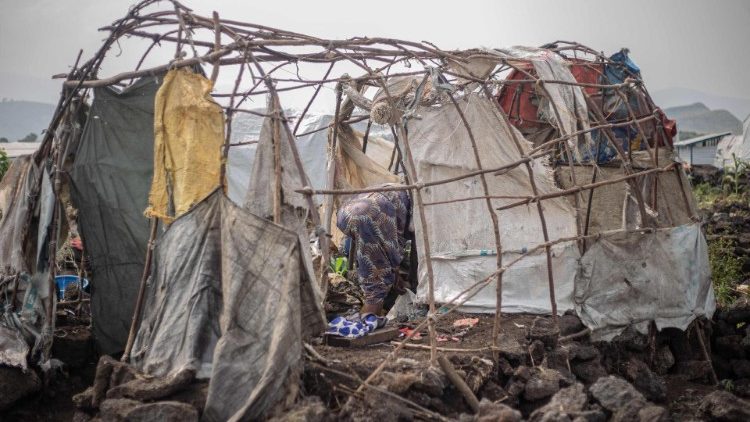
The eastern provinces of the DRC have been marred by violence, with militia activity and clashes involving government forces escalating since the resurgence of the Rwanda-backed March 23 Movement in 2022. Human rights abuses, gender-based violence, and the displacement of over six million people within the country have created an ongoing humanitarian disaster. Diplomatic efforts to address the situation, including peace talks and ceasefire agreements, have been undermined by the complex web of local and regional interests.
The Churches’ Social Pact seeks to address all these issues through innovative solutions, such as the African ancestral conflict-resolution tradition of having a dialogue under the “palaver tree.” Declaring the 2025 Jubilee Year of Hope as the "Year of Peace and Living Together," the Churches have urged neighboring nations, including Rwanda and Burundi, to work collectively toward unity and peaceful coexistence.
Pillars of the Peace Roadmap
The Social Pact roadmap is built on the following five core principles:
1. Restoring the sociological and spiritual values of “Bumuntu”, “the ontological foundation of the African identity”.
2. Resolving conflicts through dialogue and addressing root causes without violence.
3. Embracing diversity to strengthen unity and resilience across Africa.
4. Influencing political leaders to halt armed conflicts, promote sustainable development, and curtail natural resource exploitation.
5. Encouraging sincere international support for justice, peace, and environmental sustainability.
Toward a National Charter
To implement the Social Pact, the Churches will be forming thematic commissions on peace and social cohesion. Topics addressed by these commissions will be discussed in workshops and will culminate in resolutions to be included in a National Charter for Peace and Harmony. The charter will be adopted at a national forum later this year.
The Churches have described their initiative as both “prophetic and pastoral”, and emphasize that its success depends on the active involvement of the Congolese people. They have pledged to advocate for peace and harmony at national and international levels and also organise cultural activities to amplify their initiative.
As the region continues to grapple with violence and instability, the Social Pact offers a beacon of hope, urging communities and leaders to embrace a shared commitment to peace and solidarity in the region.
Courtesy: Vatican News
© 2026 CATHOLIC CONNECT POWERED BY ATCONLINE LLP