- 19 October, 2026
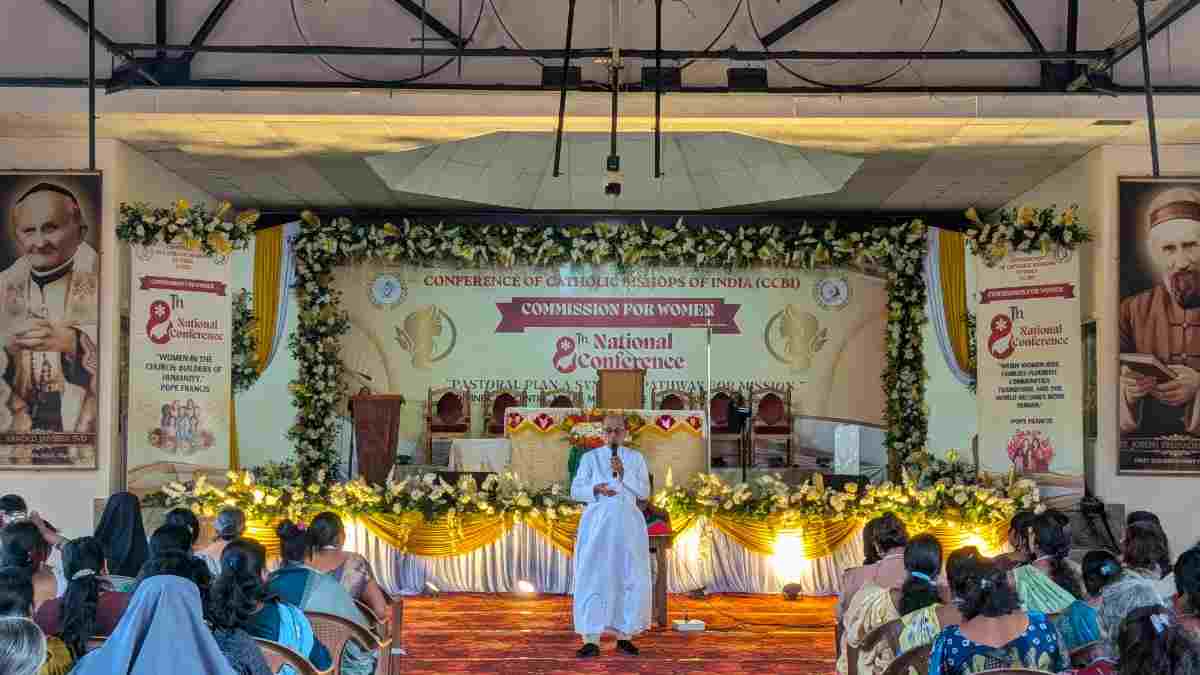
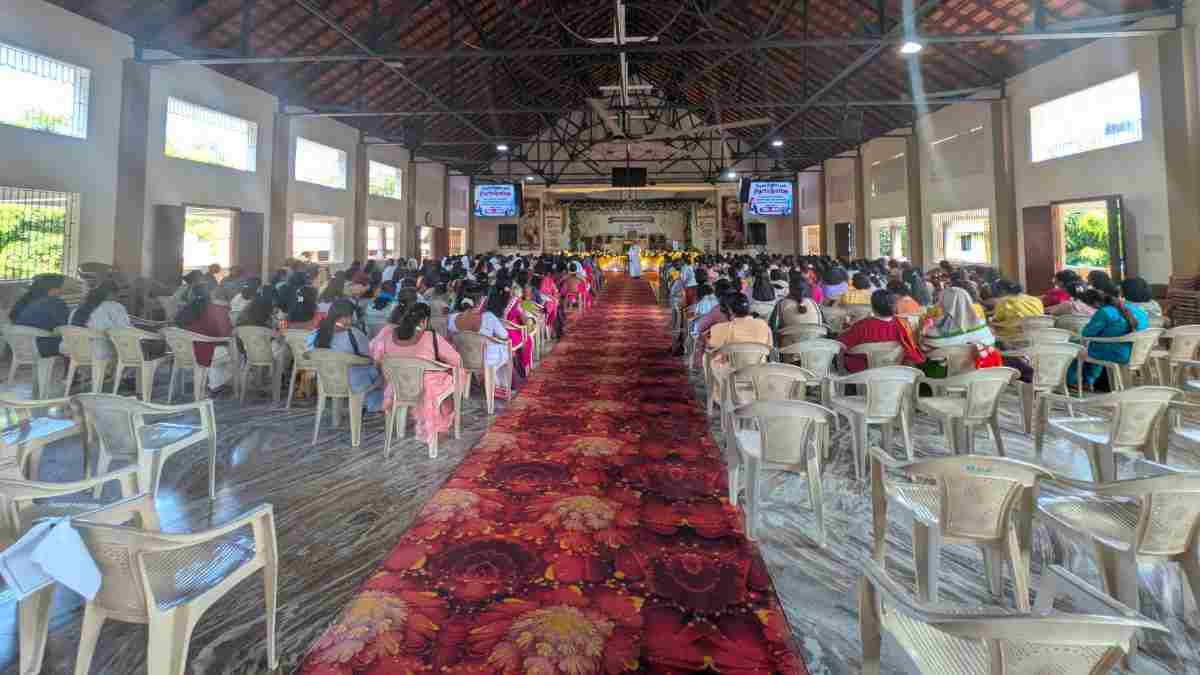
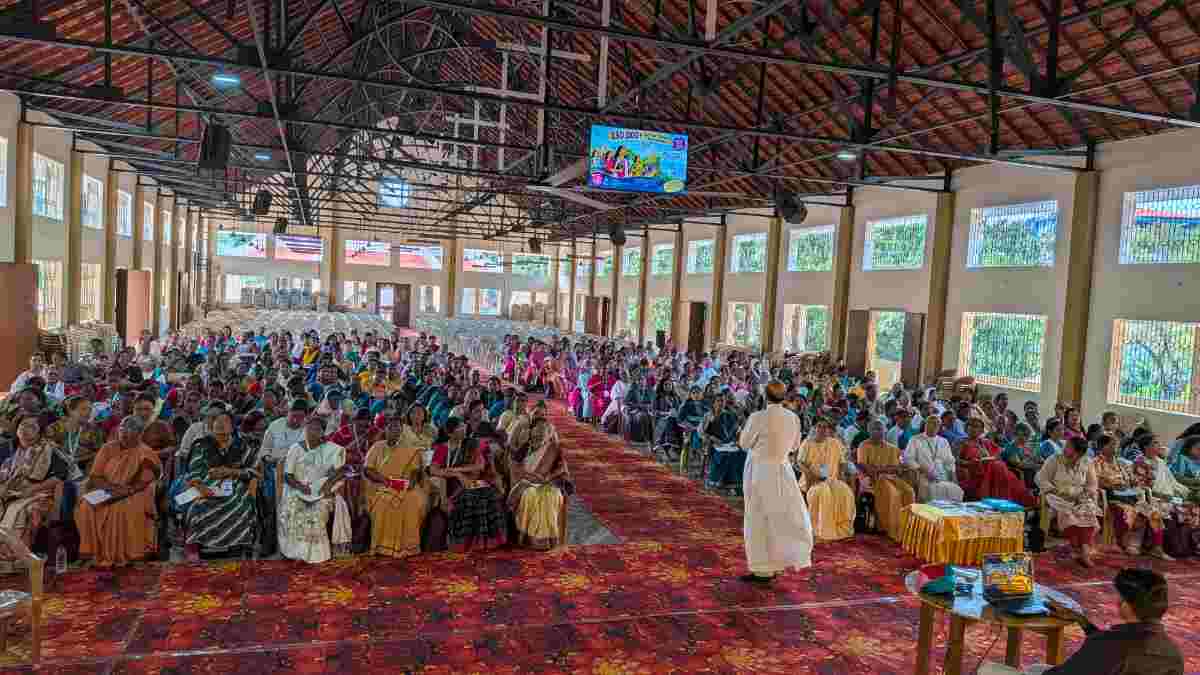
NEW DELHI, October 19, 2026: The CCBI Commission for Women has trained more than 33,000 women leaders and reached over 130,000 women through spiritual retreats and pilgrimages, but gaps in funding, institutional support and parish-level implementation continue to hinder its national pastoral plan, according to its 2025–2026 evaluation report.

The report assesses implementation from January 2025 to August–September 2026 across 14 regions, covering women’s leadership, economic empowerment, spiritual formation, gender equality and child protection.
It records more than 1,700 parishes maintaining membership registers, over 17,000 women trained in the Protection of Children from Sexual Offences (POCSO) Act and the Prevention of Sexual Harassment (POSH) framework, and approximately 145,000 people reached through celebrations organised jointly by different Church commissions.
Livelihoods and leadership initiatives
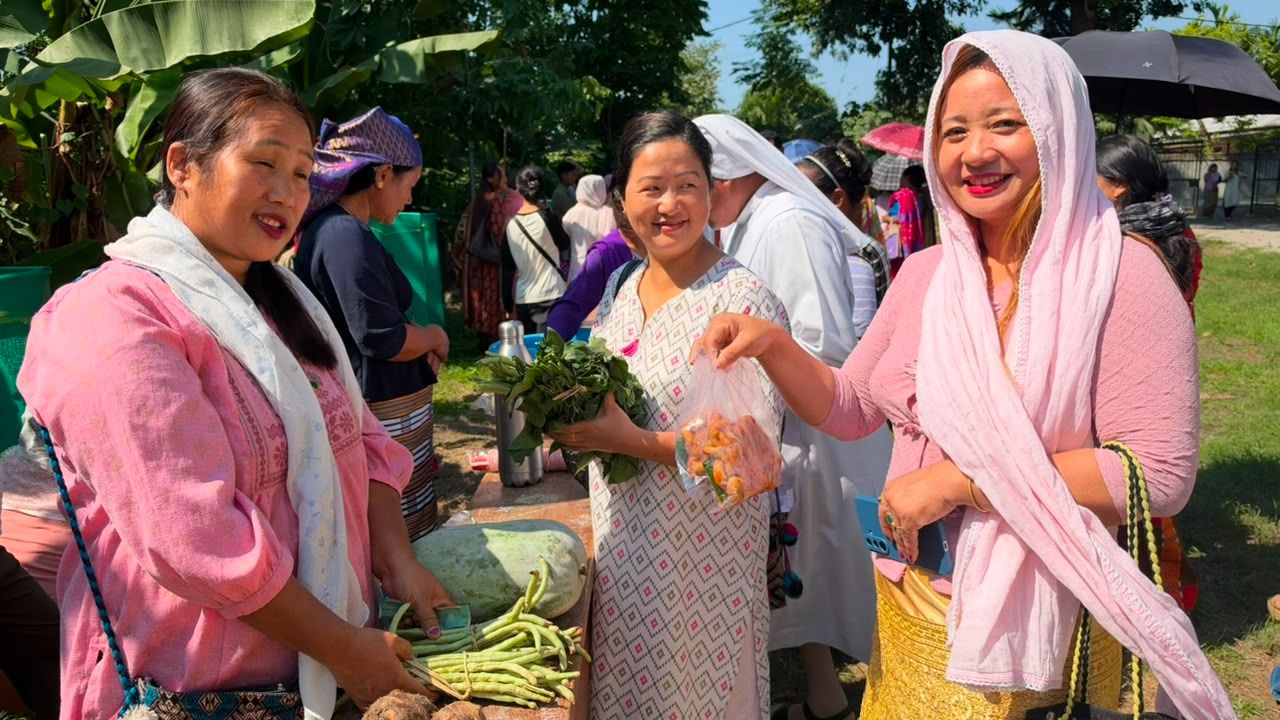
Several regions have promoted women’s economic independence through small businesses and community enterprises. In Kerala, women operate flour mills, catering units, dry flower businesses, tailoring centres and Sunday markets. They also market kitchen-garden produce through WhatsApp groups. The region has organised 20 medical and cancer-detection camps and provided free tuition for students with learning disabilities.
In Jaipur, women have generated income through homemade products, food stalls and raffles. Chhattisgarh reported more than 72 formal parish bank accounts across Ambikapur, Raipur and Jashpur. The region also recorded 28,300 participants in multi-commission celebrations.
In the North East, Nongstoin has mobilised 195 lay women trainers, while Kohima has linked training initiatives with Childline and the Women’s Helpline. In Imphal, 48 parishes remained active despite civil conflict.
Other initiatives include a human rights rally in Jharkhand, health camps and elderly care programmes in Calcutta, and a tree-planting drive in Jalandhar. In Bihar, the Mahila Sangh operates an emergency fund to support widows, cover hospital expenses and help prevent children from dropping out of school.
Funding and institutional support remain challenges
The evaluation identifies inadequate support from some local ordinaries and parish priests, difficulties in opening parish bank accounts, limited financial resources, geographical barriers and vacant leadership positions as key obstacles to implementation. The Telugu region requires additional pastoral and financial support.
The report also calls for wider coverage of training on the protection of women and children, particularly in regions and districts where programmes remain incomplete.
Action plan targets wider representation
The proposed action plan calls for establishing Women’s Commissions in every region and replicating successful livelihood models through exposure visits and workshops. It recommends standard membership registers in local languages and official diocesan letters to facilitate the opening of parish Women’s Commission bank accounts by 2027.
The Commission also proposes ensuring at least 50 per cent representation of women in Parish Pastoral Councils and Parish Finance Committees, with regular reviews to monitor participation.
Other priorities include establishing self-help groups, training women to participate in local governance, improving access to government welfare schemes and extending safety and child-protection training.
The report identifies economic self-reliance, protection from abuse and equal participation in Church decision-making as central to strengthening women’s leadership across the country.
By Catholic Connect Reporter


© 2026 CATHOLIC CONNECT POWERED BY ATCONLINE LLP