- 26 March, 2026

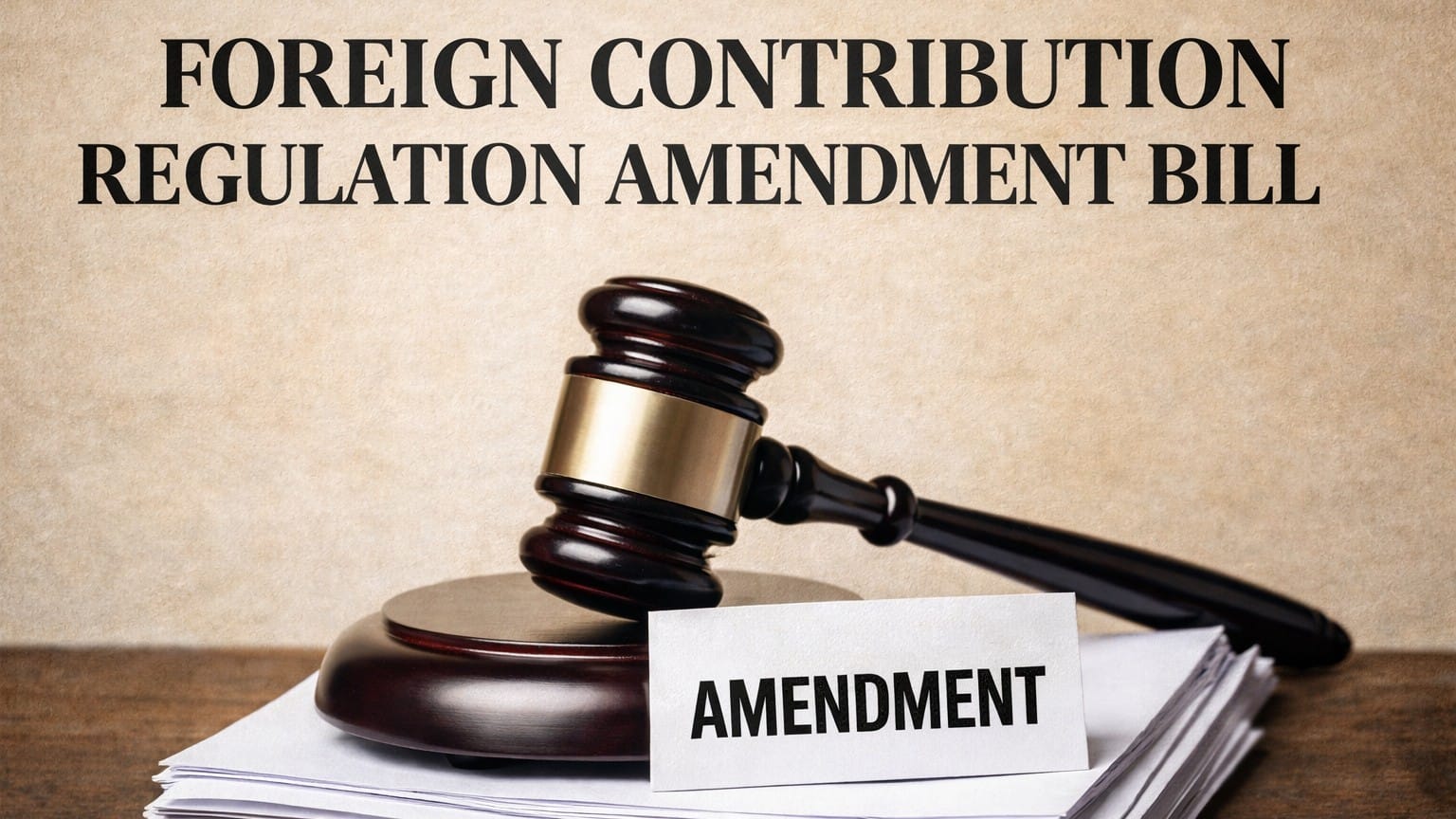
New Delhi, March 26, 2026: In a strongly worded statement that underscores mounting concern within the Church in India, the Catholic Bishops’ Conference of India has raised serious objections to the proposed amendments to the Foreign Contribution Regulation Act (FCRA), calling them “dangerous and alarming” for their potential impact on constitutional freedoms.

Reacting to the introduction of the Foreign Contribution Regulation Amendment Bill in the Lok Sabha, the CBCI cautioned that the legislation, presented under the pretext of license renewal, could open the door to excessive executive control over minority institutions and civil society organizations.
The bishops expressed particular concern over provisions that would grant sweeping powers to the Central Government as the licensing authority. These include the ability to deny or cancel FCRA registrations and, through a newly proposed mechanism, assume control over the governance, funds, and assets of affected organizations. Such measures, the Conference warned, risk undermining transparency, accountability, and the autonomy of institutions serving vulnerable communities.



In its statement, the CBCI also questioned the manner in which the bill was introduced, noting the absence of broader consultation despite objections raised by opposition Members of Parliament. The Conference stressed that legislation touching upon fundamental rights demands careful deliberation and inclusive dialogue.
Describing the proposed regulatory framework as excessively stringent, the bishops cautioned that it could erode democratic values and violate principles of natural justice. Of particular concern is the provision allowing the government to take control of foreign funds and assets of NGOs upon the expiry of their FCRA registration—an action the CBCI termed “undemocratic” and “unconstitutional.”
Calling for immediate reconsideration, the CBCI has urged the Government of India to withdraw or revise the contentious provisions, ensuring that the constitutional guarantees of freedom—especially for minority communities—remain fully protected.
For the Church in India, the issue goes beyond administrative regulation; it touches the very core of its mission in education, healthcare, and social service—areas where freedom and trust are indispensable.
By Catholic Connect Reporter



© 2026 CATHOLIC CONNECT POWERED BY ATCONLINE LLP