- 17 May, 2026
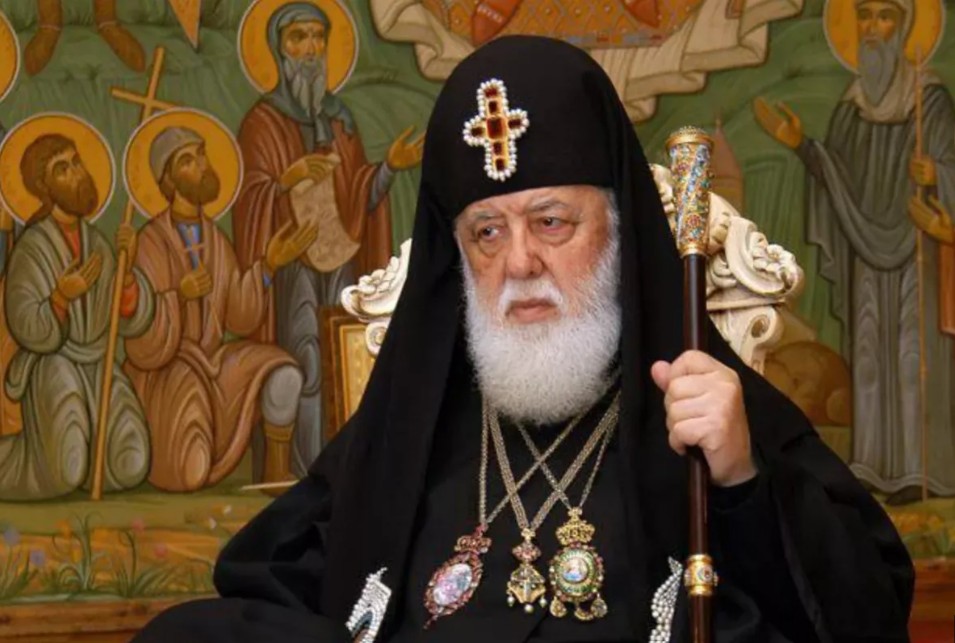
Georgia, March 26 2026 : The passing of His Holiness and Beatitude Ilia II, Catholicos-Patriarch of All Georgia, on March 17, 2026, marked the end of an extraordinary era in the life of the Georgian Orthodox Church. Serving as Catholicos-Patriarch from 1977 until his death, he became the longest-serving patriarch in the Church’s more than thousand-year history. His leadership not only revived religious life in Georgia after Soviet repression but also helped shape relationships between Eastern Orthodoxy and the Roman Catholic Church.

Born Irakli Shiolashvili, he assumed leadership of the Georgian Orthodox Church during a time when religious expression was tightly restricted under Soviet rule. Over nearly five decades, he guided the Church through political upheaval, independence, and modernization.
He is widely credited with restoring churches, reviving monastic life, and strengthening the spiritual identity of Georgia. For many Georgians, he was not only a religious leader but also a moral voice and a symbol of unity during uncertain times.
As Catholicos-Patriarch of All Georgia, Ilia II held the highest office in the Georgian Orthodox Church—an ancient, autocephalous (self-governing) Christian body whose roots date back to the 4th century.


The title reflects both:
This role places the leader at the intersection of faith, culture, and national identity in Georgia.
One of the defining aspects of the ministry was his commitment to dialogue and mutual respect between Christian traditions.
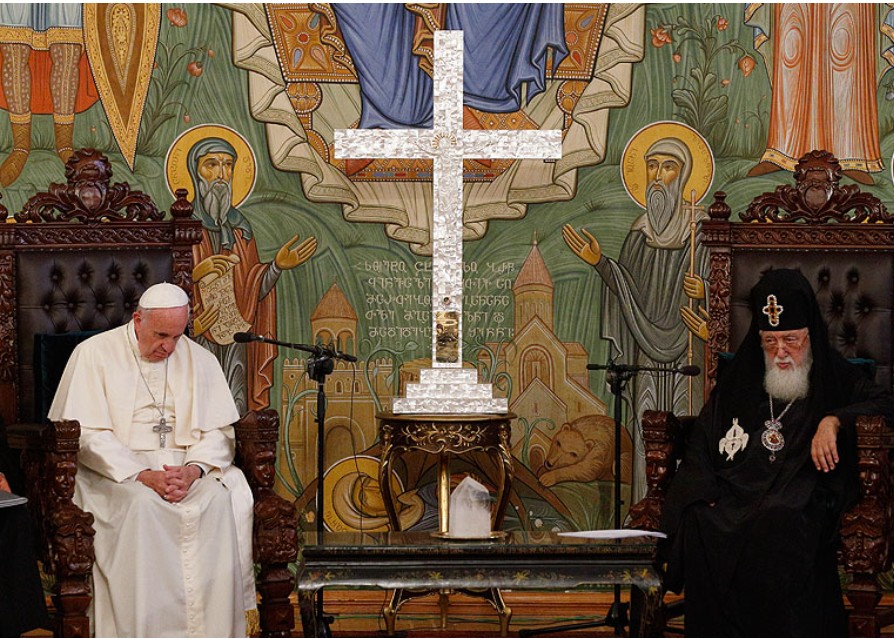
He maintained warm and respectful relationships with leaders of the Roman Catholic Church, including:
These relationships were marked by:
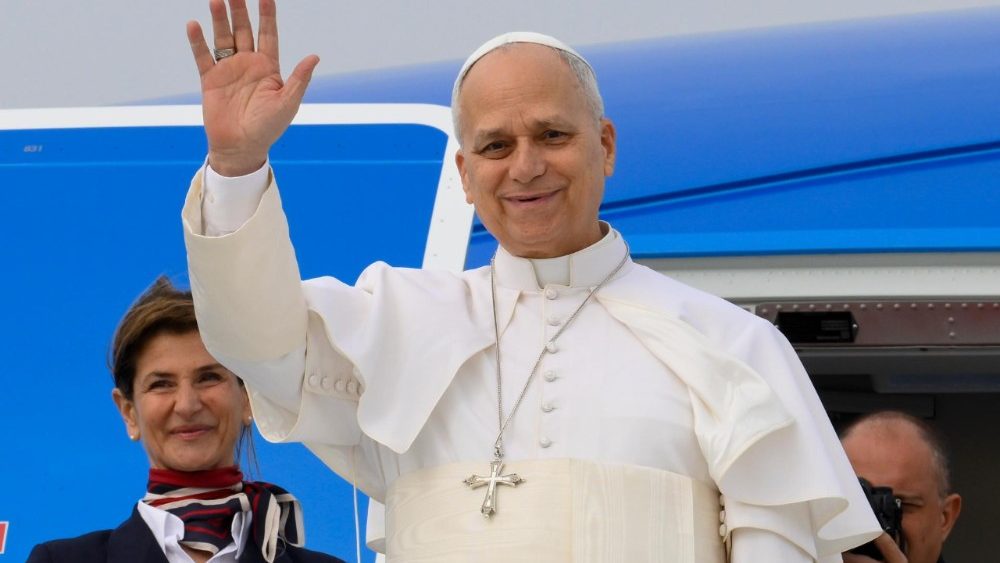
When Pope John Paul II visited Georgia in 1999, he was received with openness, even as differences between the churches remained. Similarly, the 2016 visit of Pope Francis reflected a spirit of dialogue fostered during Ilia II’s long leadership.
While fostering close and respectful ties with Rome, he remained firmly rooted in Orthodox theology and tradition. The Georgian Orthodox Church differs from the Roman Catholic Church in areas such as:
Yet he consistently emphasized that these differences need not prevent cooperation or mutual respect, embodying a vision of Christian unity without institutional uniformity.
Ilia II of Georgia will be remembered as:
His nearly 49-year tenure stands as one of the most significant in modern Christian history—not only for Georgia, but for the wider journey toward greater understanding among Christian traditions.
By Catholic Connect Reporter
© 2026 CATHOLIC CONNECT POWERED BY ATCONLINE LLP