- 07 November, 2026
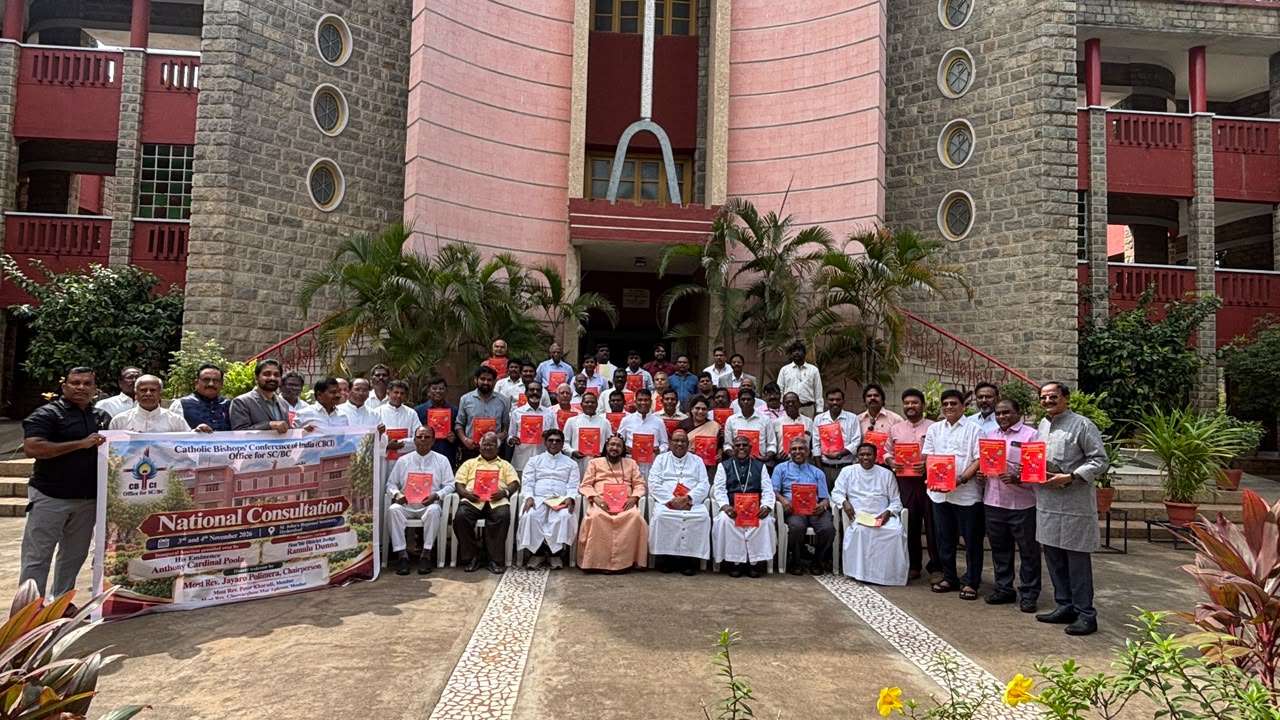
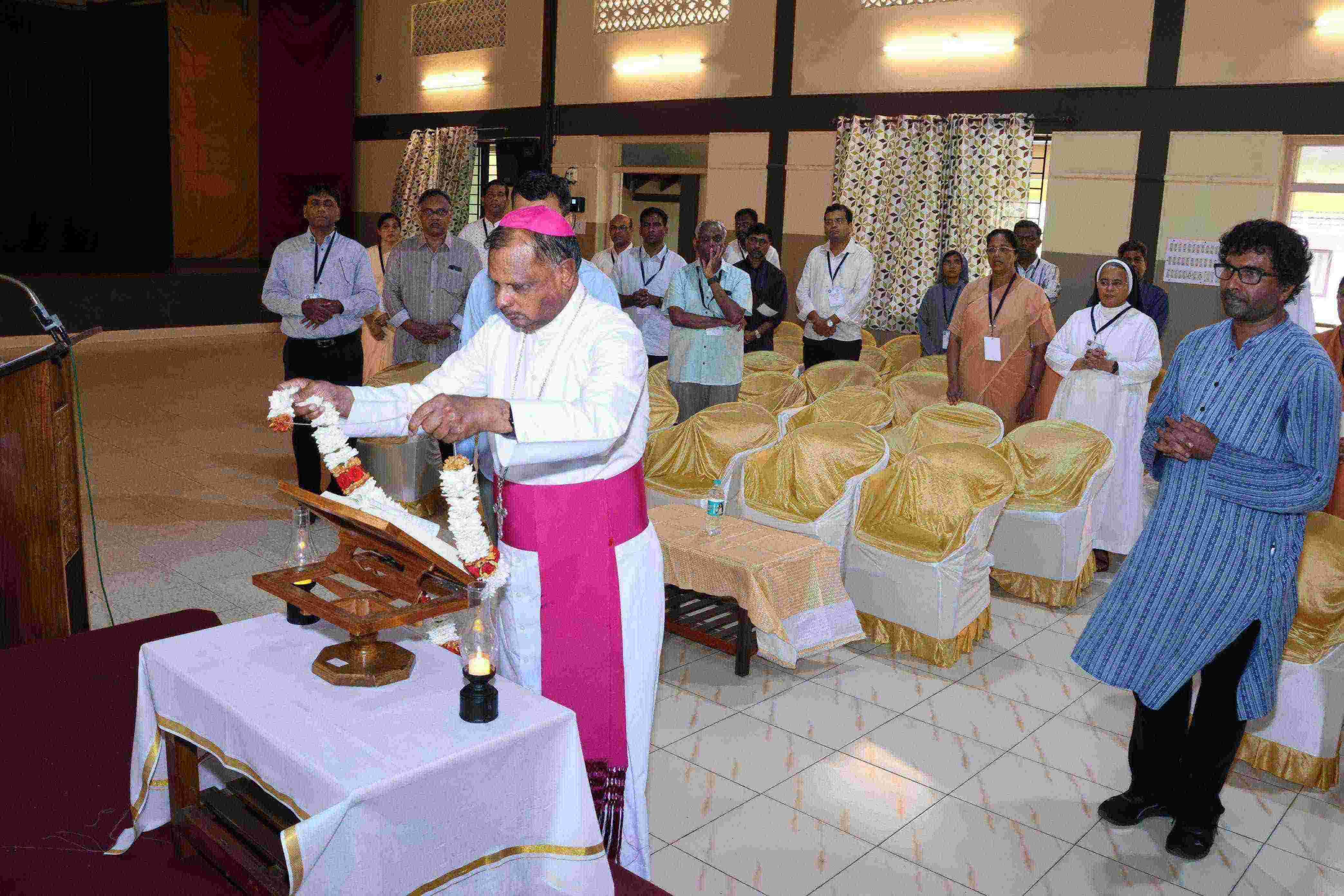
HYDERABAD, November 7, 2026: Strengthening the implementation of the Church’s Dalit Empowerment Policy and intensifying efforts to secure Scheduled Caste (SC) status for Dalit Christians were the key focus of a two-day national consultation organised by the Catholic Bishops’ Conference of India (CBCI) in Hyderabad on November 3 and 4.

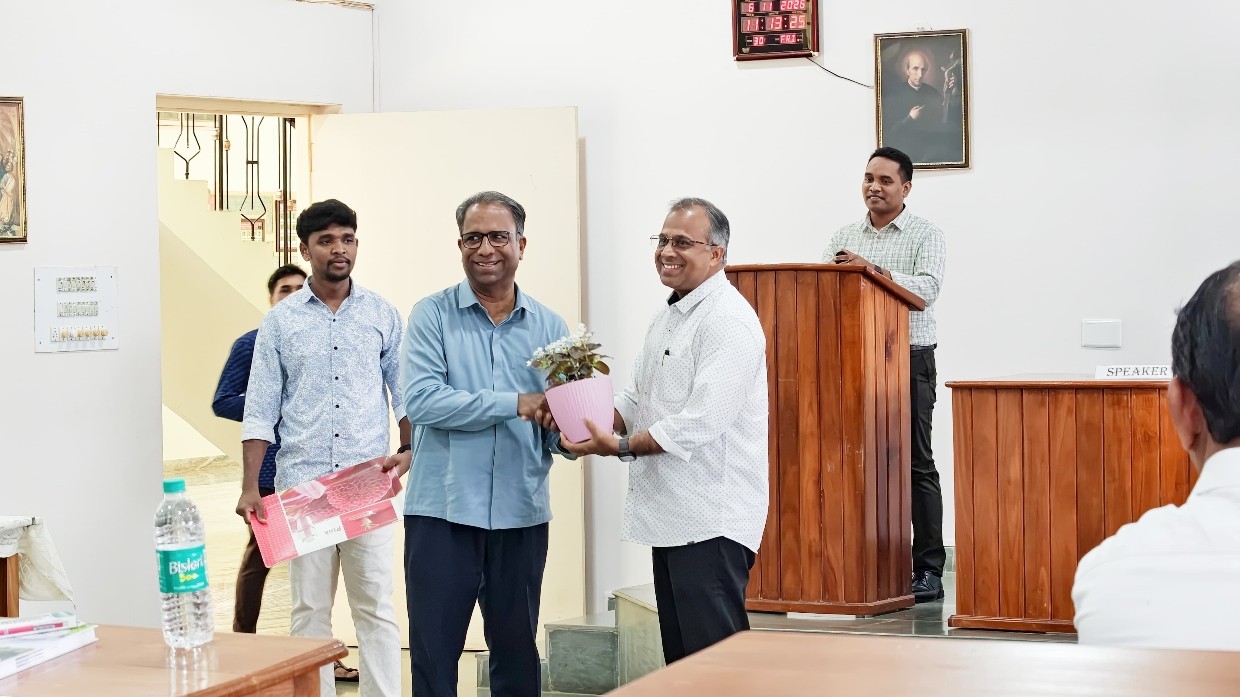
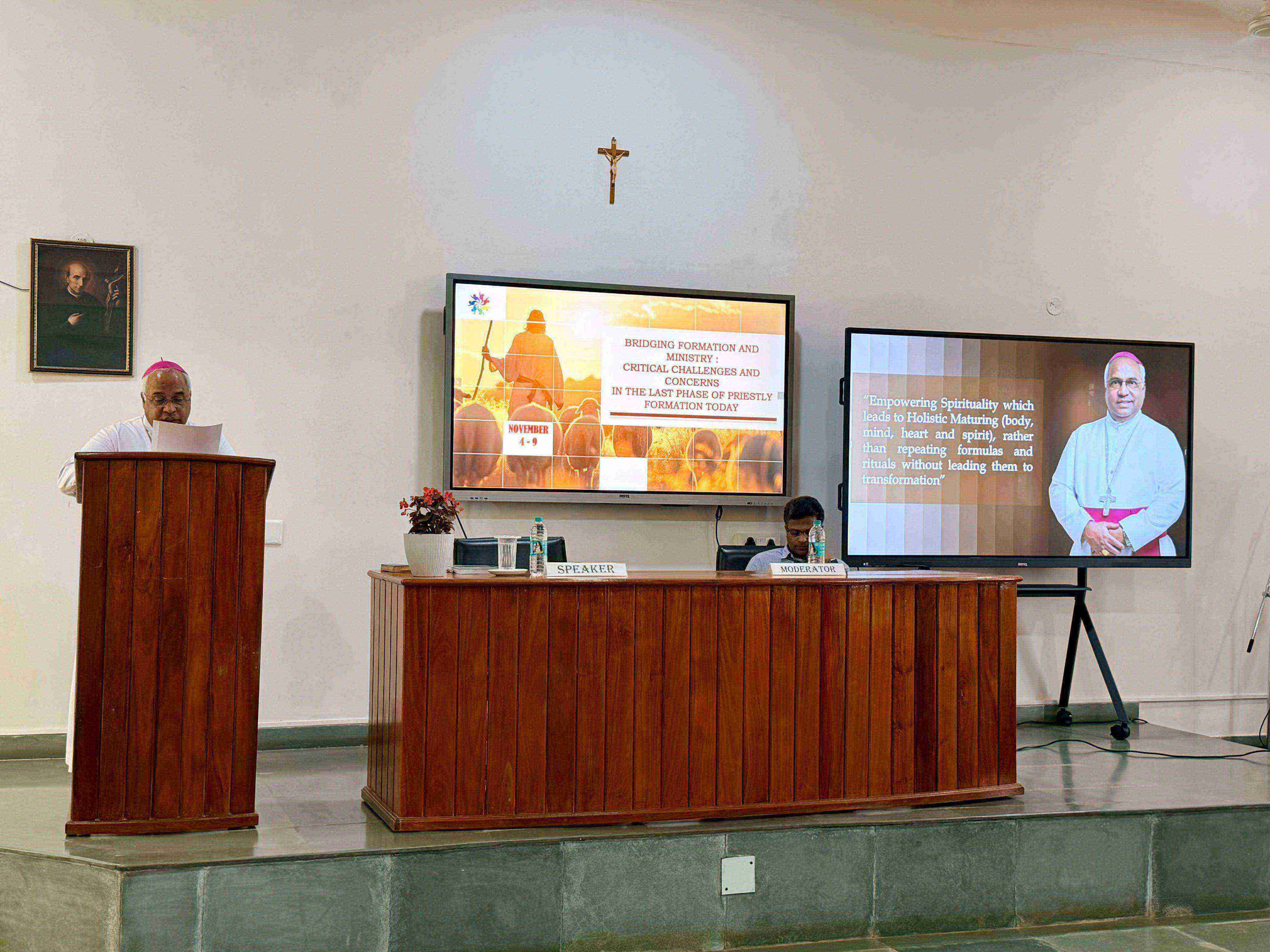
The consultation, held at St. John’s Regional Seminary, brought together regional and diocesan representatives, legal experts, Dalit Christian leaders, civil society members and youth to review the policy’s implementation and formulate a five-year action plan.
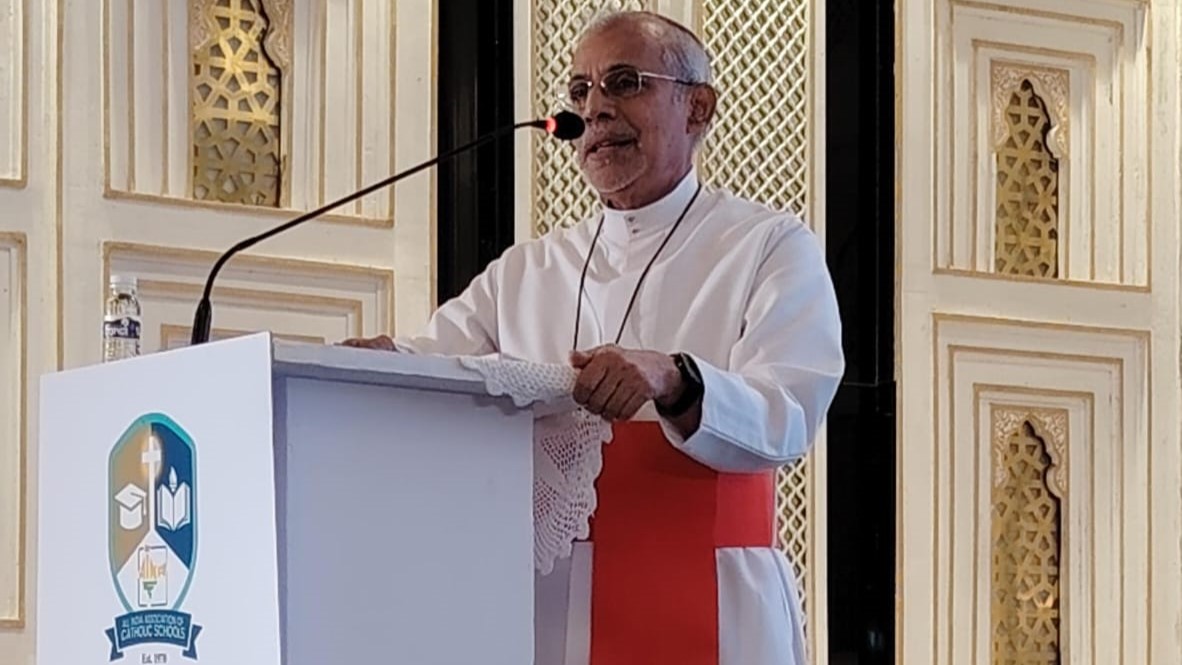
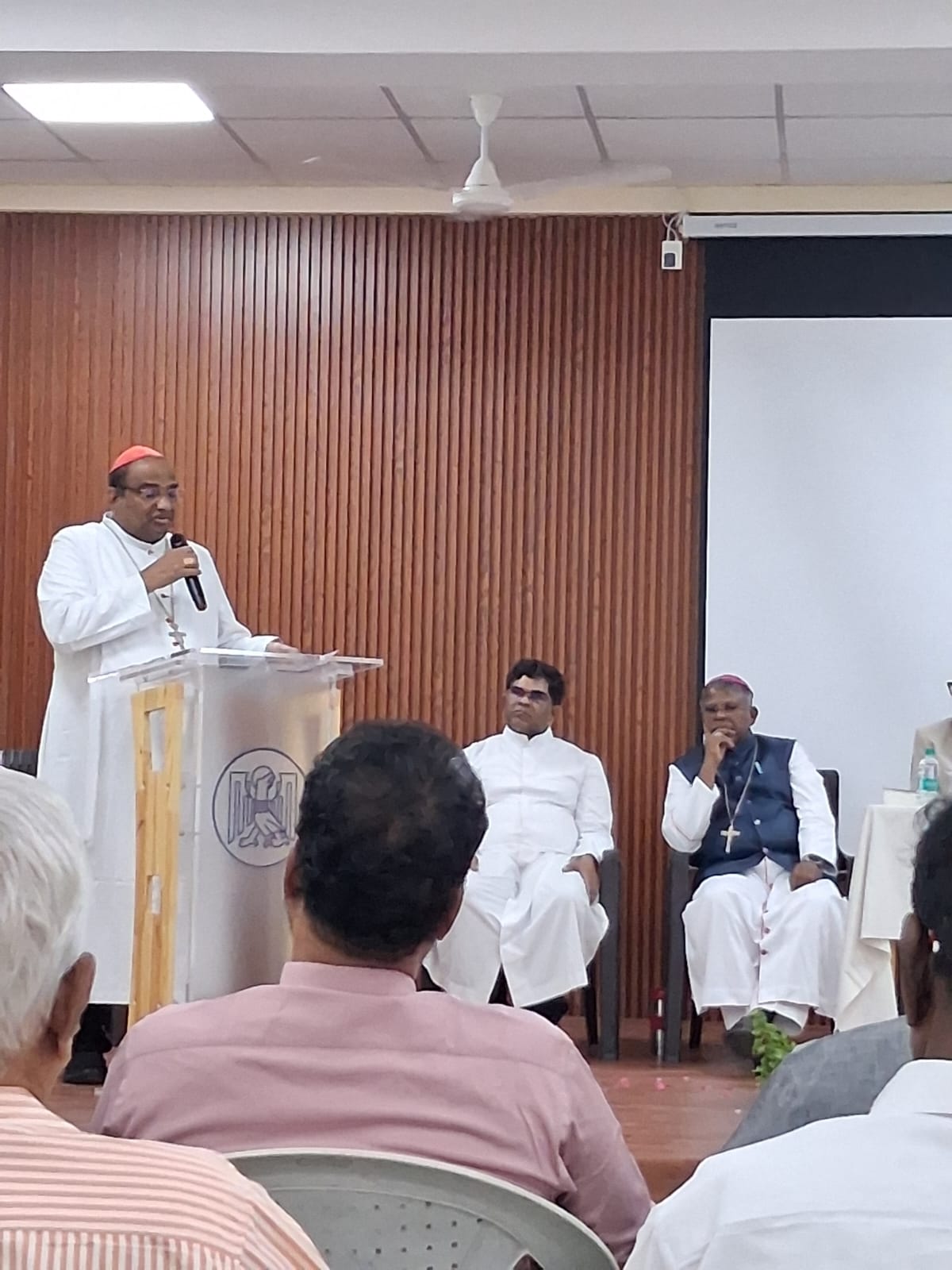
Cardinal Anthony Poola, President of the CBCI, presided over the inaugural session on November 4. Drawing on his personal experiences of working with Dalit communities, he stressed that the Church’s Dalit Empowerment Policy must move beyond written commitments and translate into concrete action.
Archbishop Jaya Rao Polimera, Chairperson of the CBCI Office for Scheduled Castes and Backward Classes (SC/BC), and Bishop Gheevarghese Mar Aphrem, a member of the office, underlined the need for collective efforts to advance the empowerment of Dalit Christians, particularly through education and economic development.
Legal challenge over SC status
A major session examined the constitutional and legal dimensions of the demand for Scheduled Caste status for Dalit Christians. District Judge Ramulu Dunna explained the legal implications of their exclusion from the Scheduled Caste list and the discriminatory consequences of the existing provisions.
He pointed out that the current framework effectively pressures Dalits to remain within Hinduism to retain access to Scheduled Caste benefits, raising questions of equality and religious freedom.
The session was moderated by Fr M. C. Rajan, National Secretary of the CBCI Office for Justice, Peace and Development.
Five-year roadmap for empowerment
Another key session reviewed the implementation and impact of the CBCI Dalit Empowerment Policy over the past decade and discussed priorities for the next five years.
Moderated by Fr Selvin SJ, the session featured a presentation by Fr Z. Devasagayaraj, Secretary of the CBCI Office for SC/BC, who outlined a framework for evaluating the policy and developing a strategic plan.
Participants shared experiences and initiatives from different regions, assessed existing challenges and discussed ways to strengthen coordinated efforts within the Church and wider society to address the concerns of Dalit Christians.
The consultation began on November 3 with regional representatives presenting reports on activities and initiatives undertaken at the national and regional levels.
At the conclusion, participants agreed that the CBCI Office for SC/BC would constitute a dedicated team to take forward the policy evaluation and strategic planning process, with a focus on coordination and effective implementation.
The consultation was locally coordinated by Ashok Kumar, Regional Secretary of the SC/ST Commission, and Fr Prabhu Dass, Archdiocesan Secretary of Hyderabad. Vijay Mothukurie and his team provided technical support, while Fr Andrew Anand Rao, Rector of St. John’s Regional Seminary, and Fr Christopher, Procurator, assisted with the arrangements.
The meeting reaffirmed the Church’s commitment to advancing the dignity, equality and rights of Dalit Christians, with participants calling for sustained efforts to translate the policy's objectives into measurable action.
By Catholic Connect Reporter

© 2026 CATHOLIC CONNECT POWERED BY ATCONLINE LLP