- 26 November, 2026
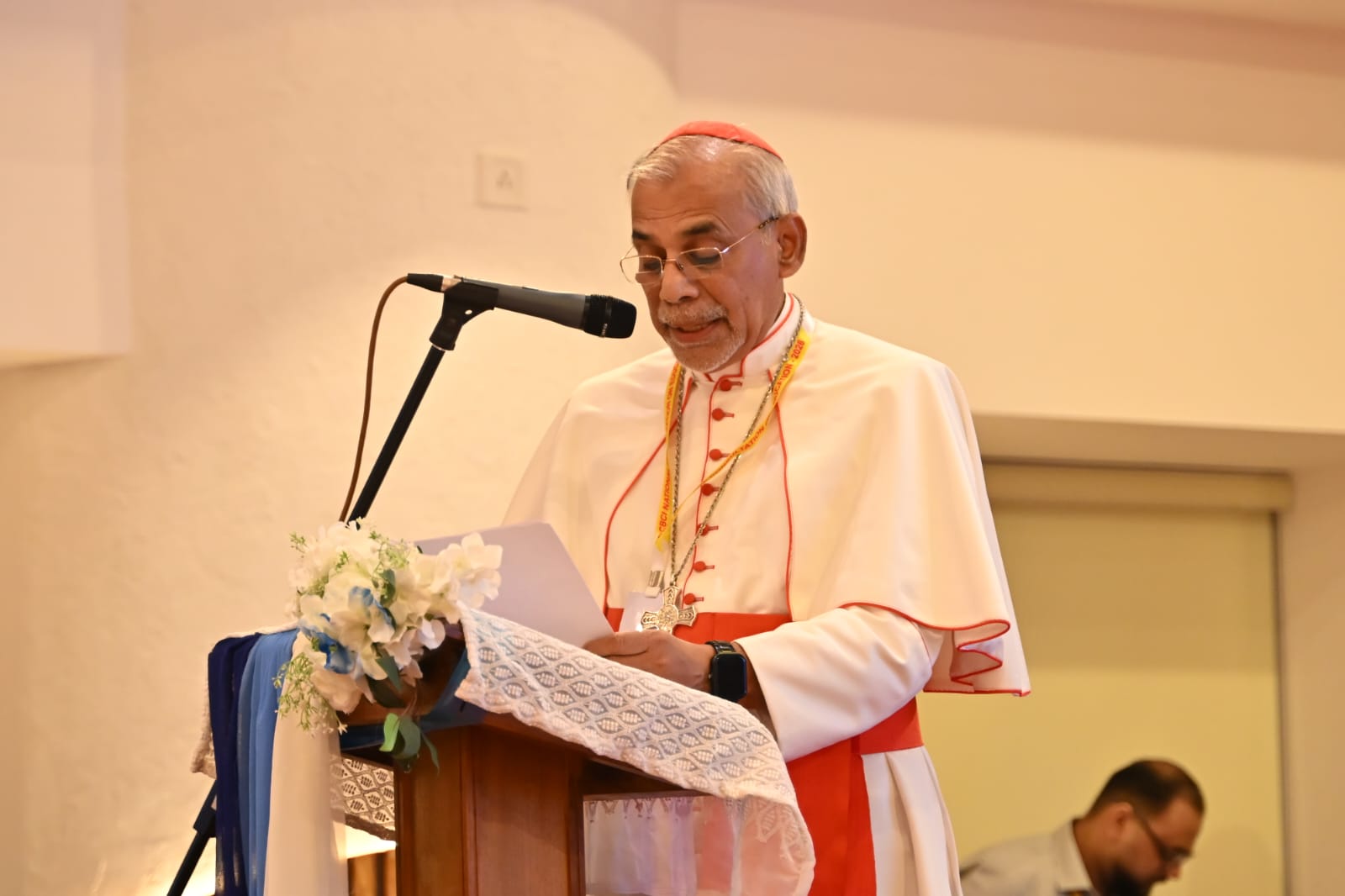
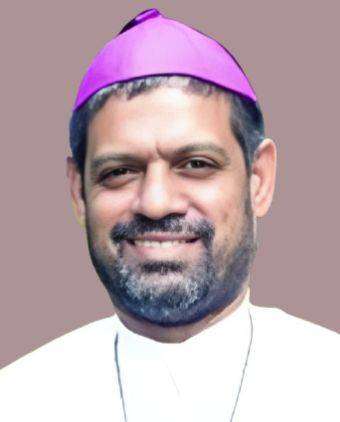
OLD GOA, November 26, 2026: Archbishop Filipe Neri Cardinal Ferrão has called on the Church in India to develop a comprehensive roadmap for Catholic education towards 2040, stressing the need to respond to technological changes while preserving the values of faith, human dignity and integral formation.


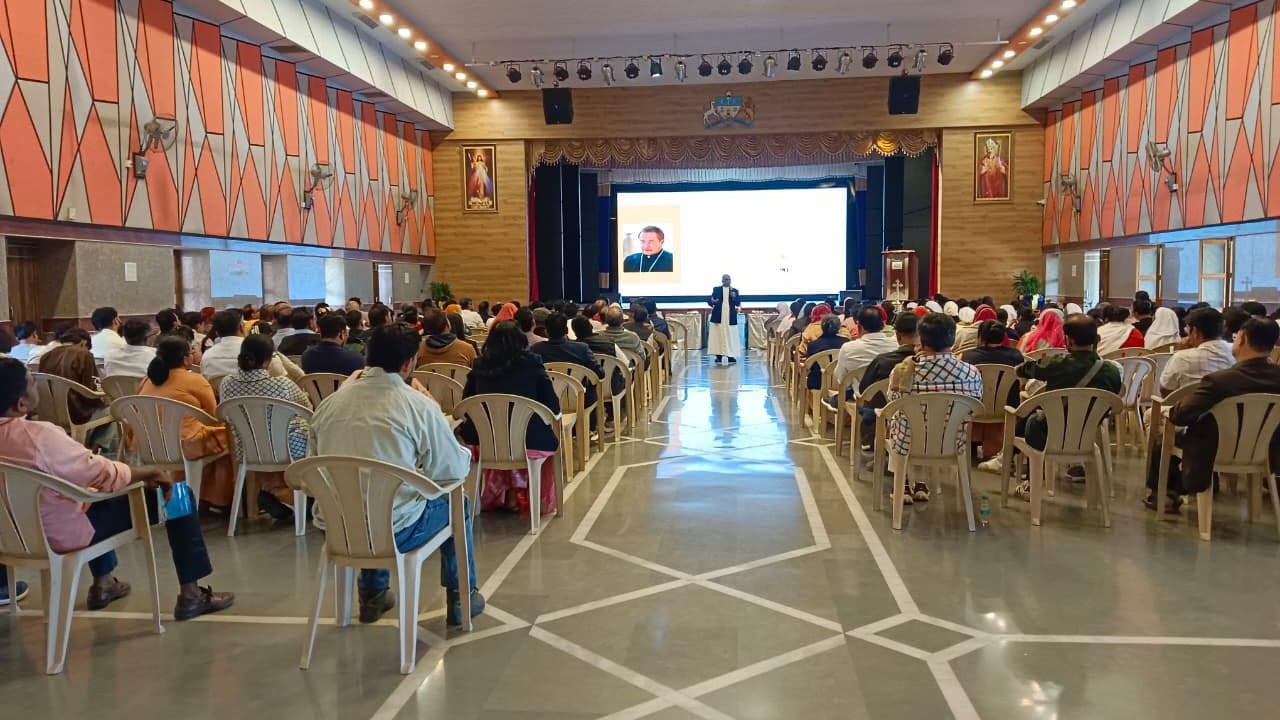
Addressing the inaugural session of the National Consultation on Education 2026 on November 25, Cardinal Ferrão said Catholic education must move beyond imparting information and professional skills to forming responsible citizens and compassionate individuals committed to building a just and humane society.
The three-day consultation, organised by the Catholic Bishops’ Conference of India (CBCI) Office for Education and Culture in collaboration with Academica and coordinated by the Archdiocesan Board of Education, Goa, is being held at St Joseph Vaz Spiritual Renewal Centre, Old Goa, from November 25 to 27. It is themed “Rebuilding the Soul of Education: Identity, Integrity and Influence.”
Cardinal Ferrão, who heads the Archdiocese of Goa and Daman and serves as president of both the Federation of Asian Bishops’ Conferences (FABC) and the Conference of Catholic Bishops of India (CCBI), described the consultation as an important opportunity to reassess the Church’s educational mission amid rapid technological developments and changing social realities.
He urged Church leaders and educationists to reflect collectively on emerging challenges and opportunities and discern the future direction of Catholic education.
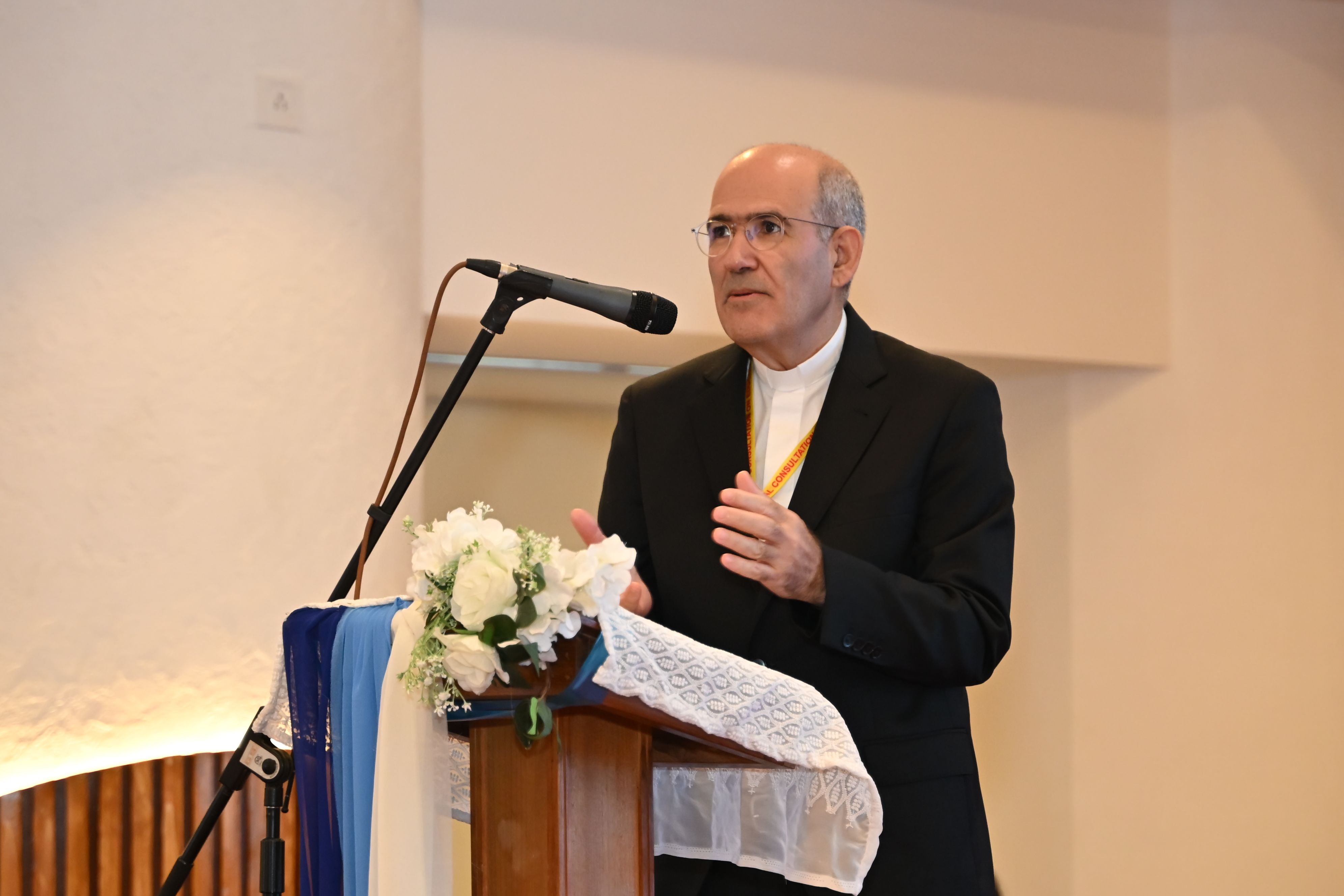
Welcoming Cardinal José Tolentino de Mendonça, Prefect of the Vatican Dicastery for Culture and Education, along with other Church leaders and educationists, Cardinal Ferrão highlighted Goa’s historic contribution to education and intellectual life.
He recalled that Old Goa had once been a prominent centre of higher learning, attracting students from different parts of India and distant Asian countries, including Malaysia, Japan and China.
Tracing the development of Catholic education in Goa, he referred to a pastoral letter issued in 1544 by the then Bishop of Goa, João de Albuquerque, directing parish churches to establish elementary schools. The schools were expected to teach children Christian doctrine, reading, writing, arithmetic and music.
Many of these early institutions subsequently developed into high schools, with some eventually attaining college status, he said.
Cardinal Ferrão also acknowledged the contribution of religious congregations, particularly the Jesuits, Franciscans, Dominicans and Augustinians, in establishing educational institutions, colleges and seminaries across Goa and other parts of Asia. Their institutions contributed significantly to intellectual development, knowledge dissemination and spiritual formation.
Highlighting the educational legacy of St Joseph Vaz, after whom the renewal centre is named, the Cardinal described the Goan missionary as an example of how evangelisation and education could contribute to social transformation.
He recalled that St Joseph Vaz arrived in Sri Lanka in 1687, disguised as a poor labourer, to serve Catholics who had been deprived of regular priestly ministry for several decades under Dutch rule. Missionaries from the Oratory of St Philip Neri in Goa later joined him in strengthening the mission.
The Cardinal noted that St Joseph Vaz and his Oratorian companions were running approximately 200 schools across Sri Lanka by the time of the saint’s death in 1711.
“This remarkable achievement reveals how deeply Joseph Vaz understood the importance of education as an instrument of evangelisation, human formation and social transformation,” he said.
Drawing lessons from the saint’s missionary legacy, Cardinal Ferrão stressed that education had always been integral to the Church’s commitment to the holistic development of individuals and society.
Looking towards 2040, he called for an educational approach that nurtures faith and moral values, promotes justice and solidarity, and engages responsibly with technological advancements.
He said Catholic institutions must prepare young people not only for professional careers but also for responsible citizenship and compassionate service.
Expressing hope that the consultation would produce concrete outcomes, Cardinal Ferrão urged participants to move beyond discussions towards collective discernment and a practical roadmap for the future of Catholic education in India.
“May the Church in India, faithful to her rich educational legacy and attentive to the signs of our times, continue to be a beacon of hope and a committed partner in shaping the future of our nation,” he said.
He assured the participants of the support and prayers of the Archdiocese of Goa and Daman for the consultation and the educational mission of the CBCI.
By Br. Malvino Alfonso OCD
© 2026 CATHOLIC CONNECT POWERED BY ATCONLINE LLP