- 20 November, 2026

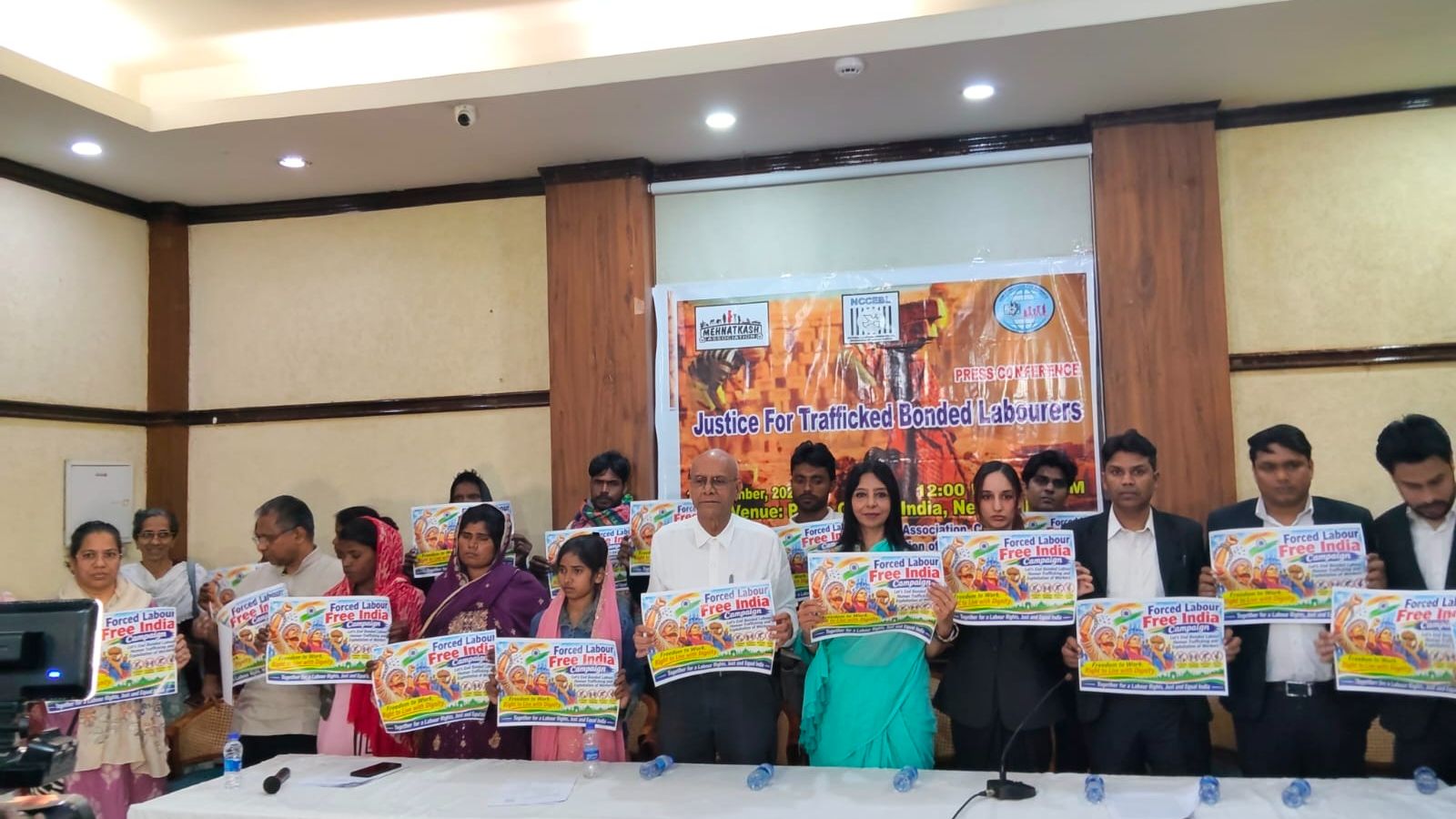
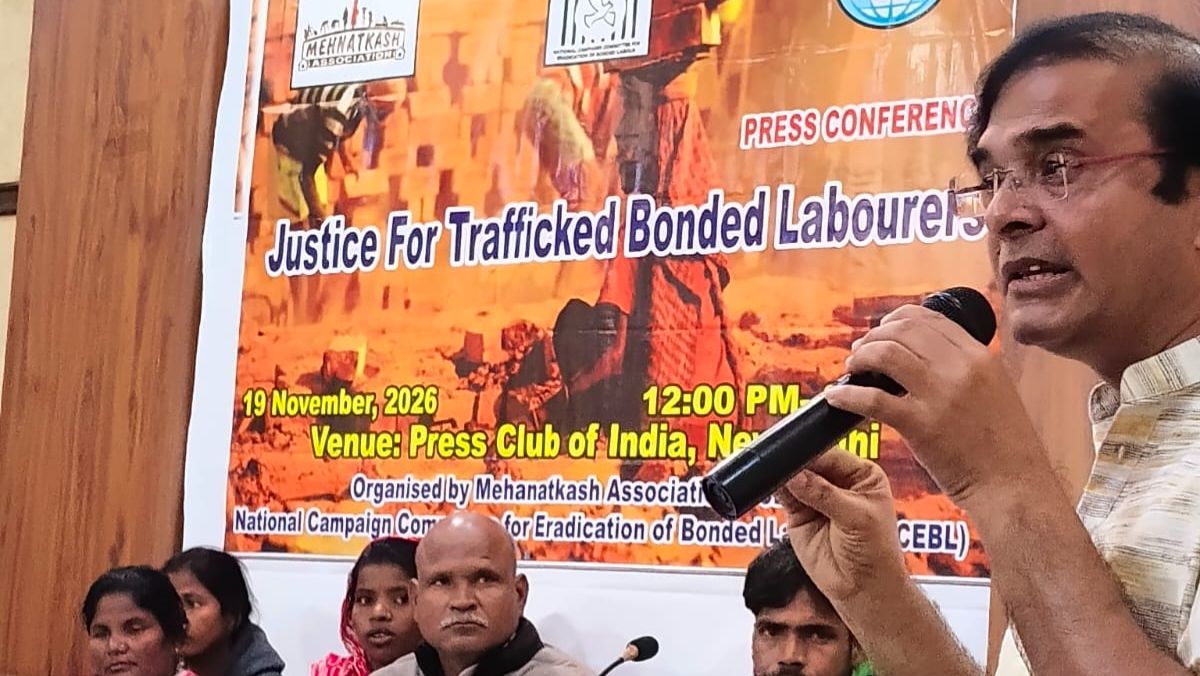
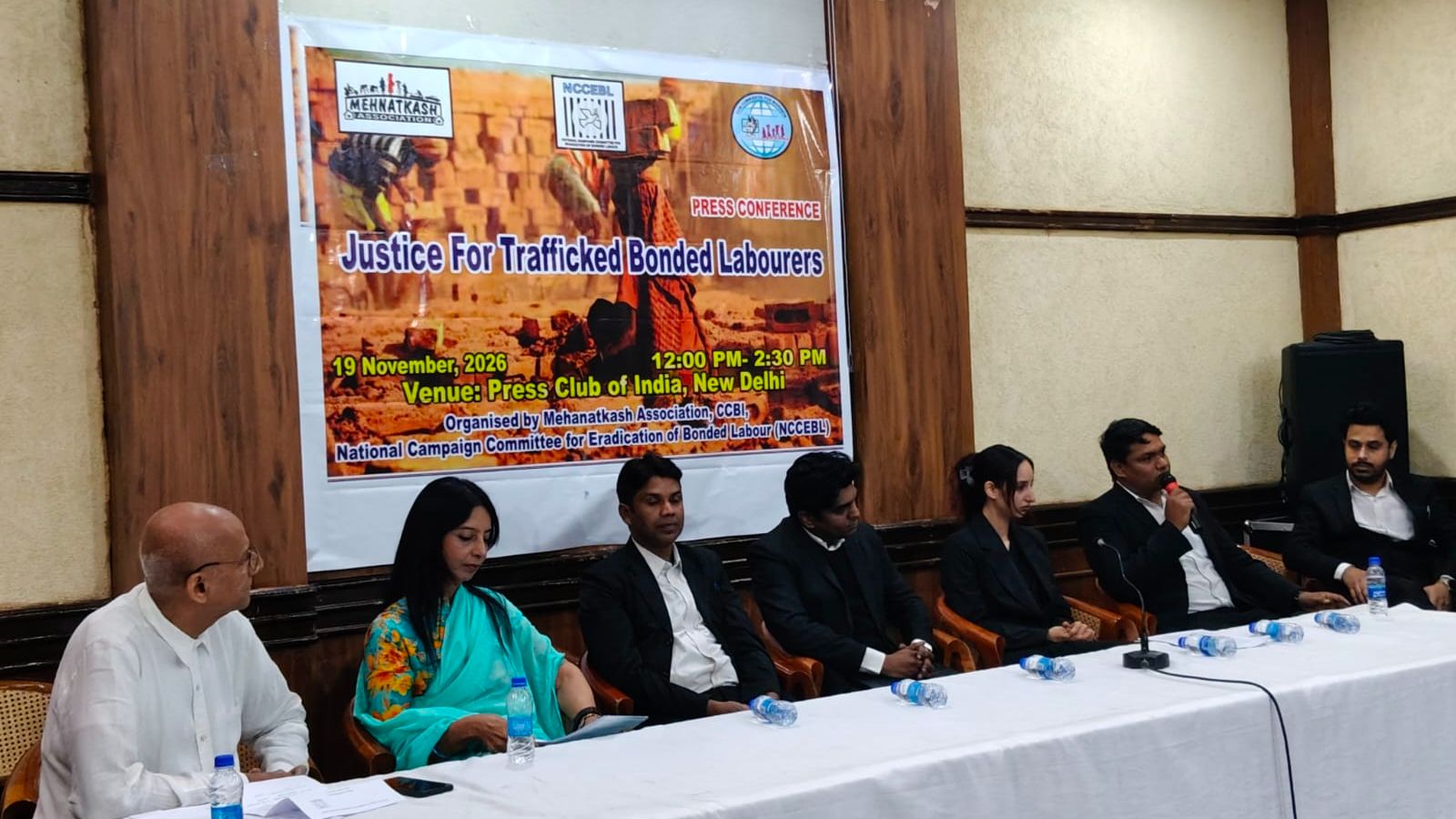
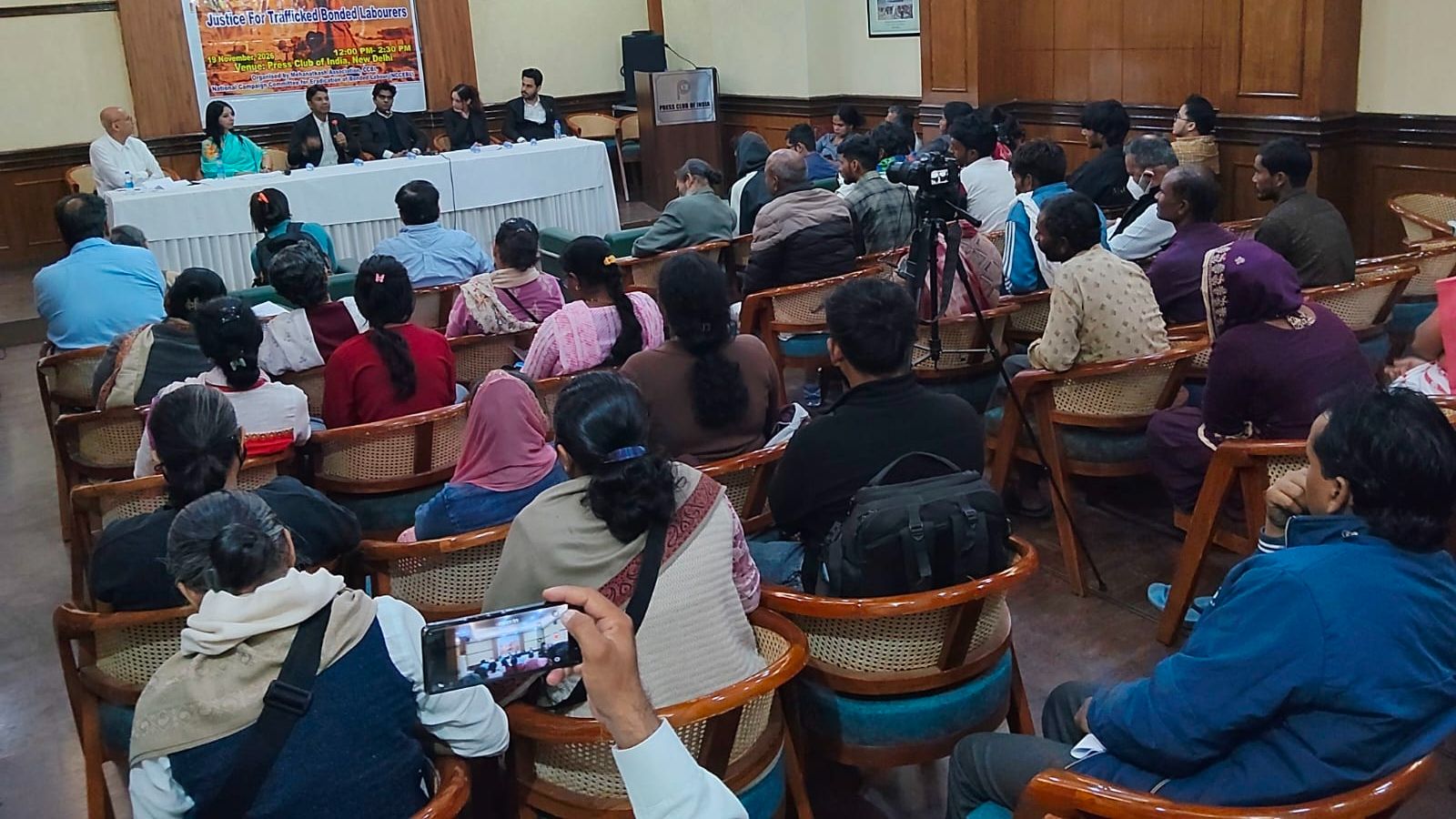
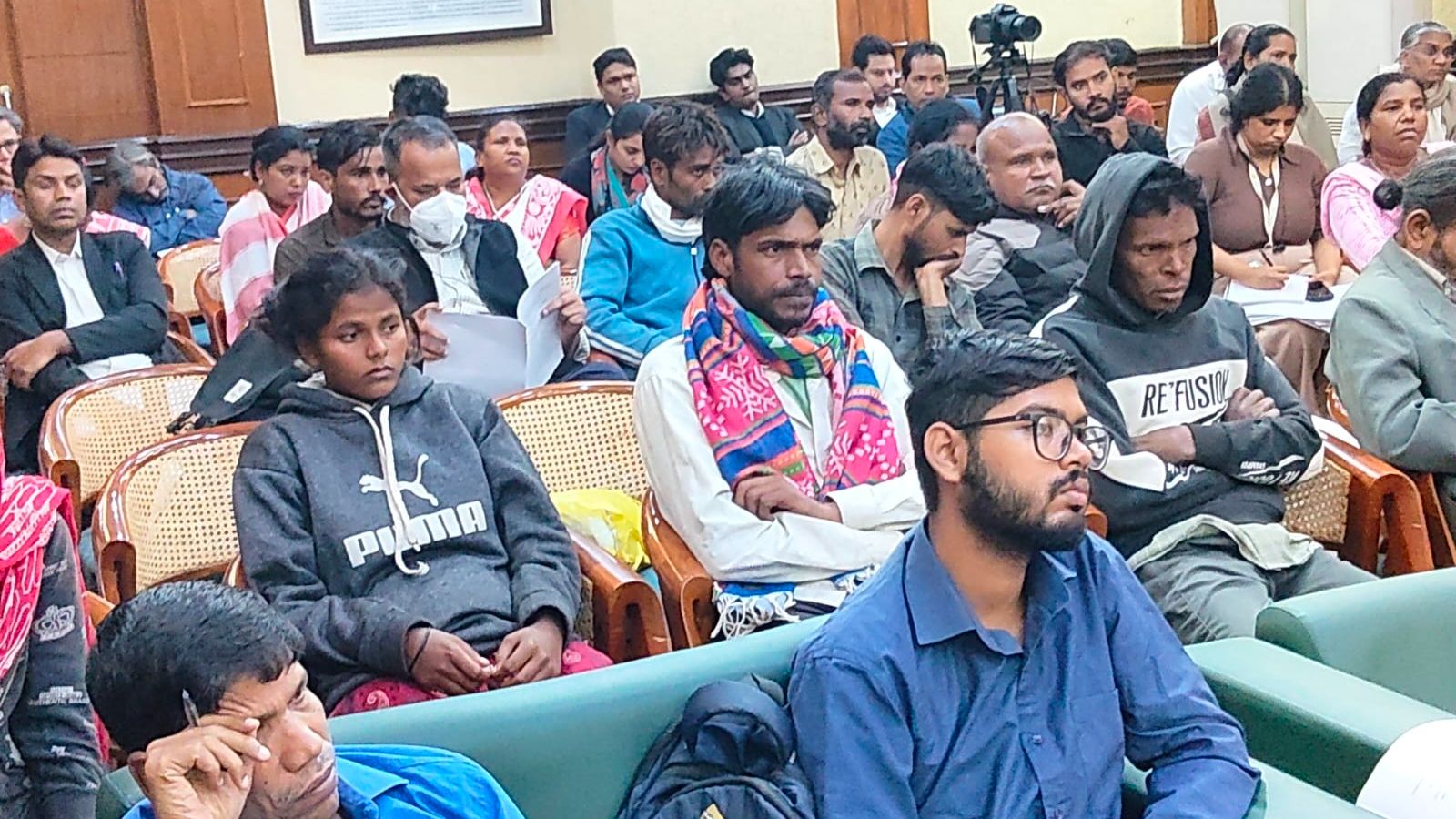
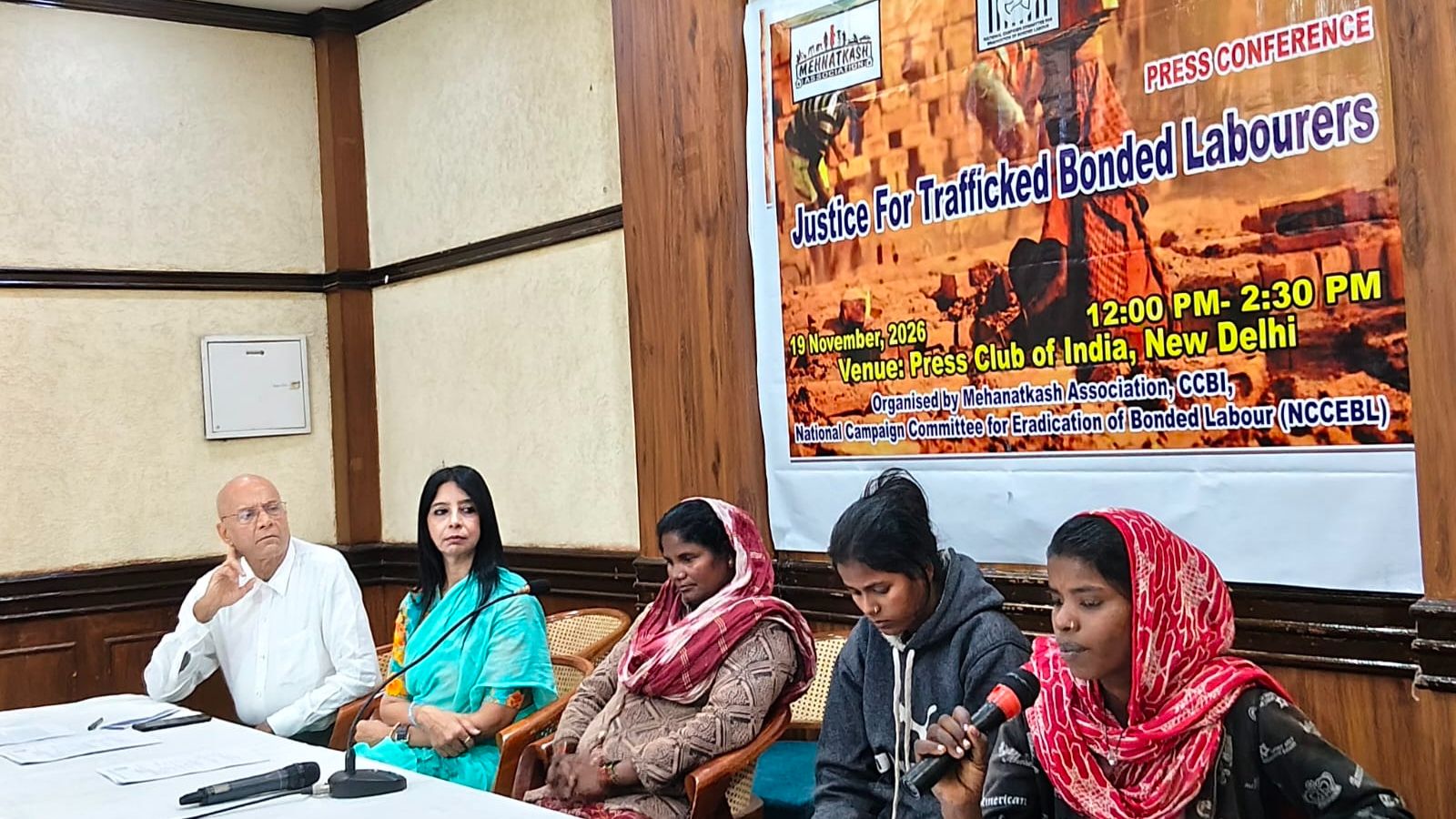
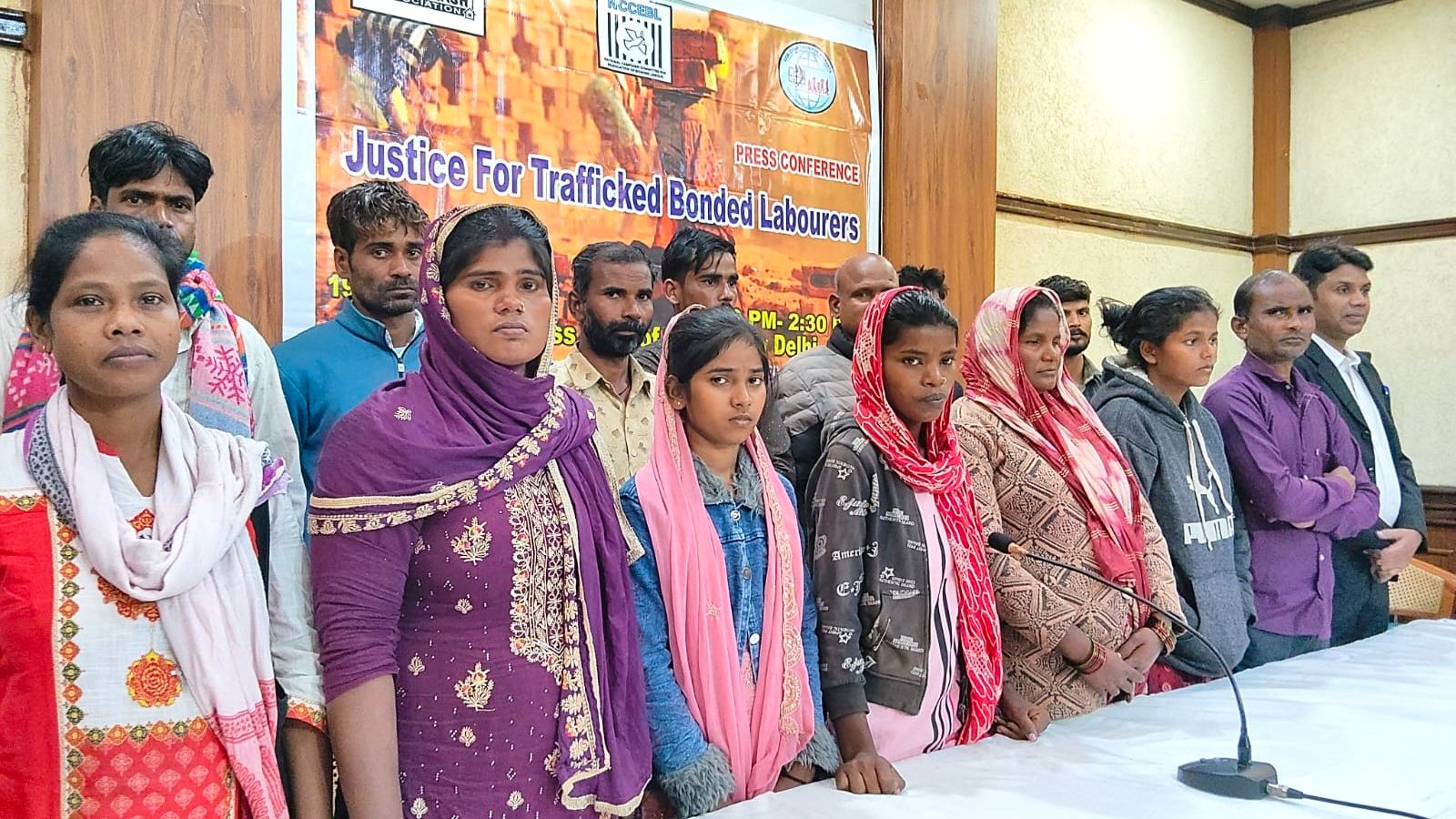
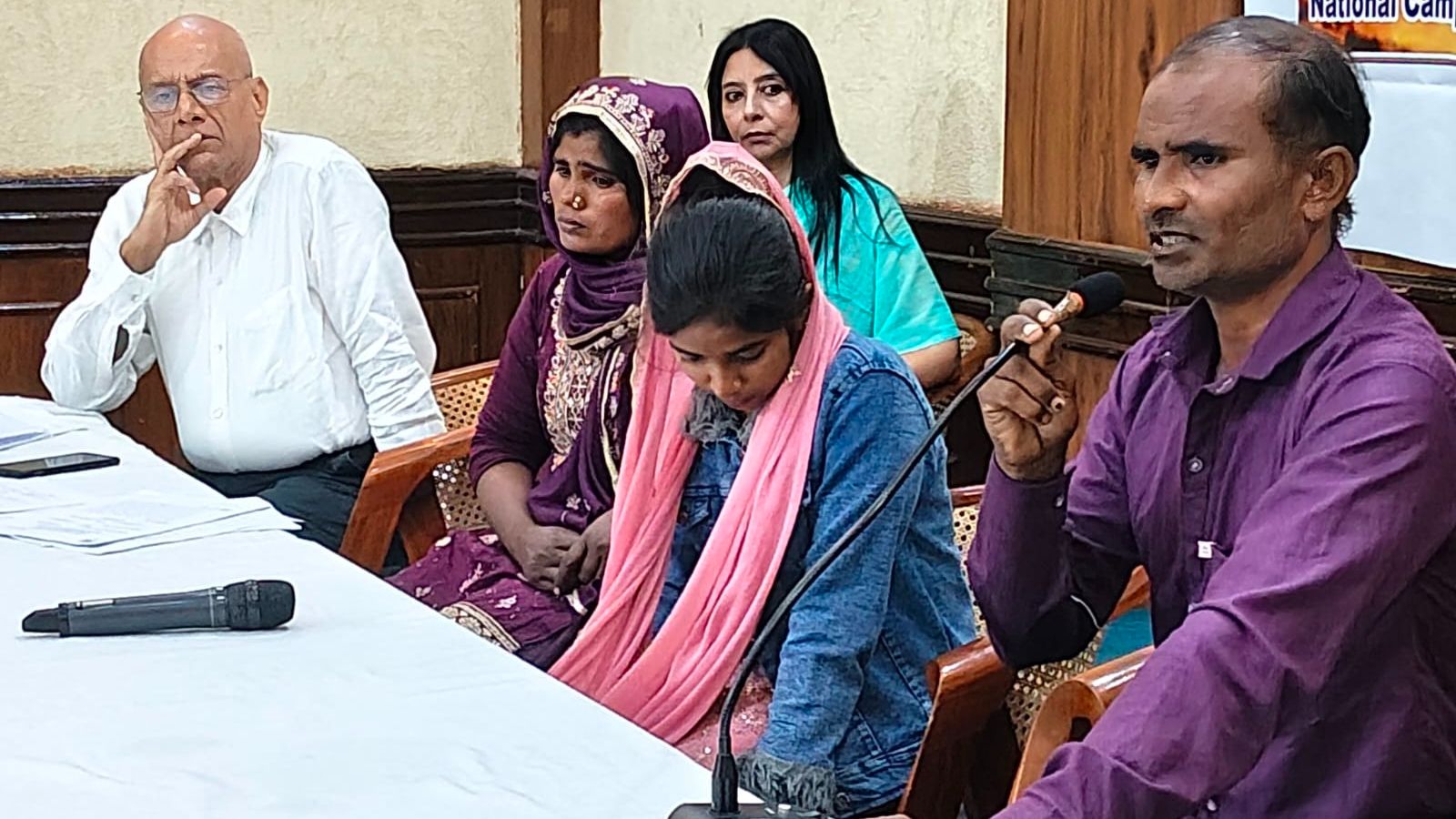
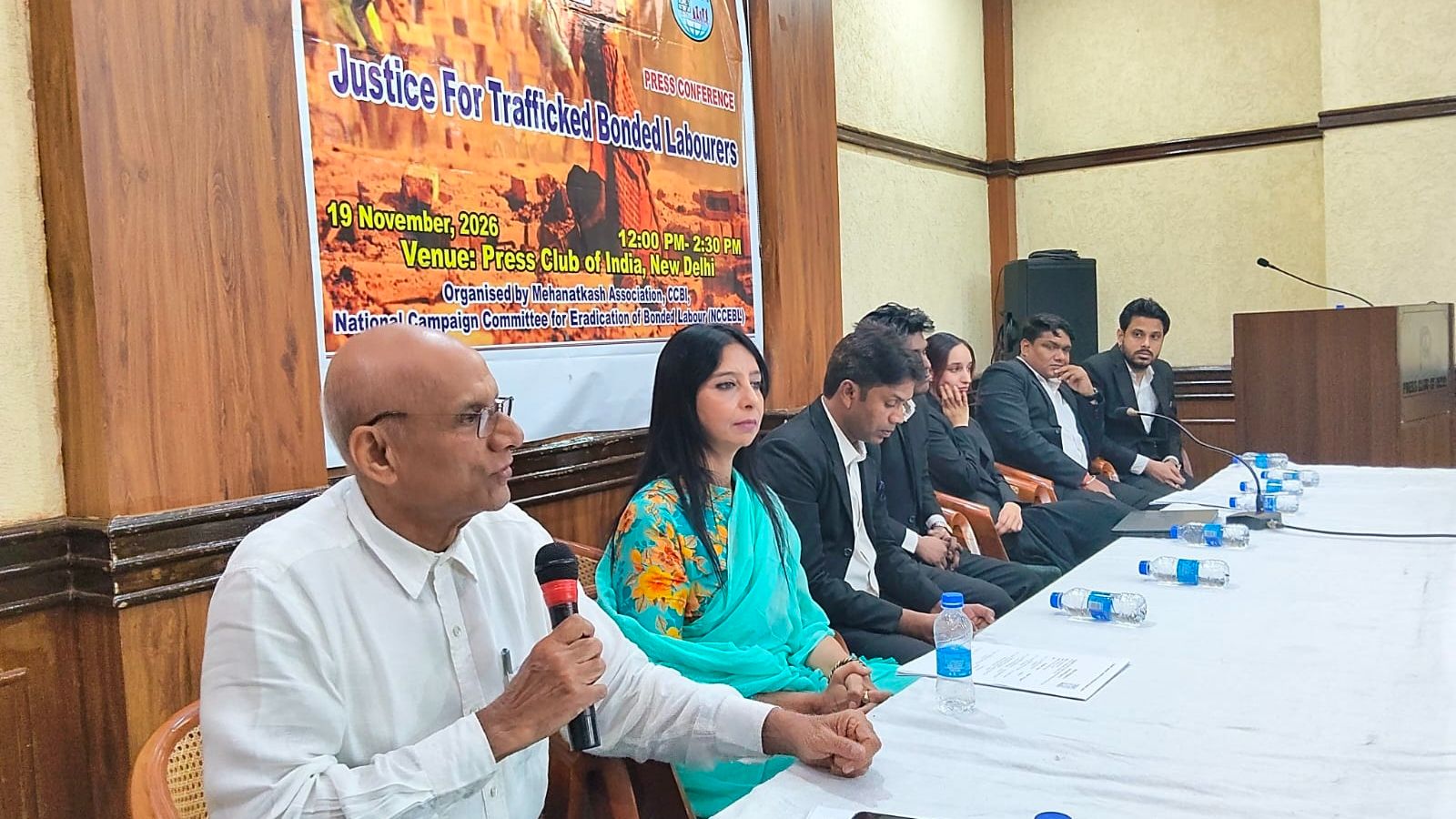
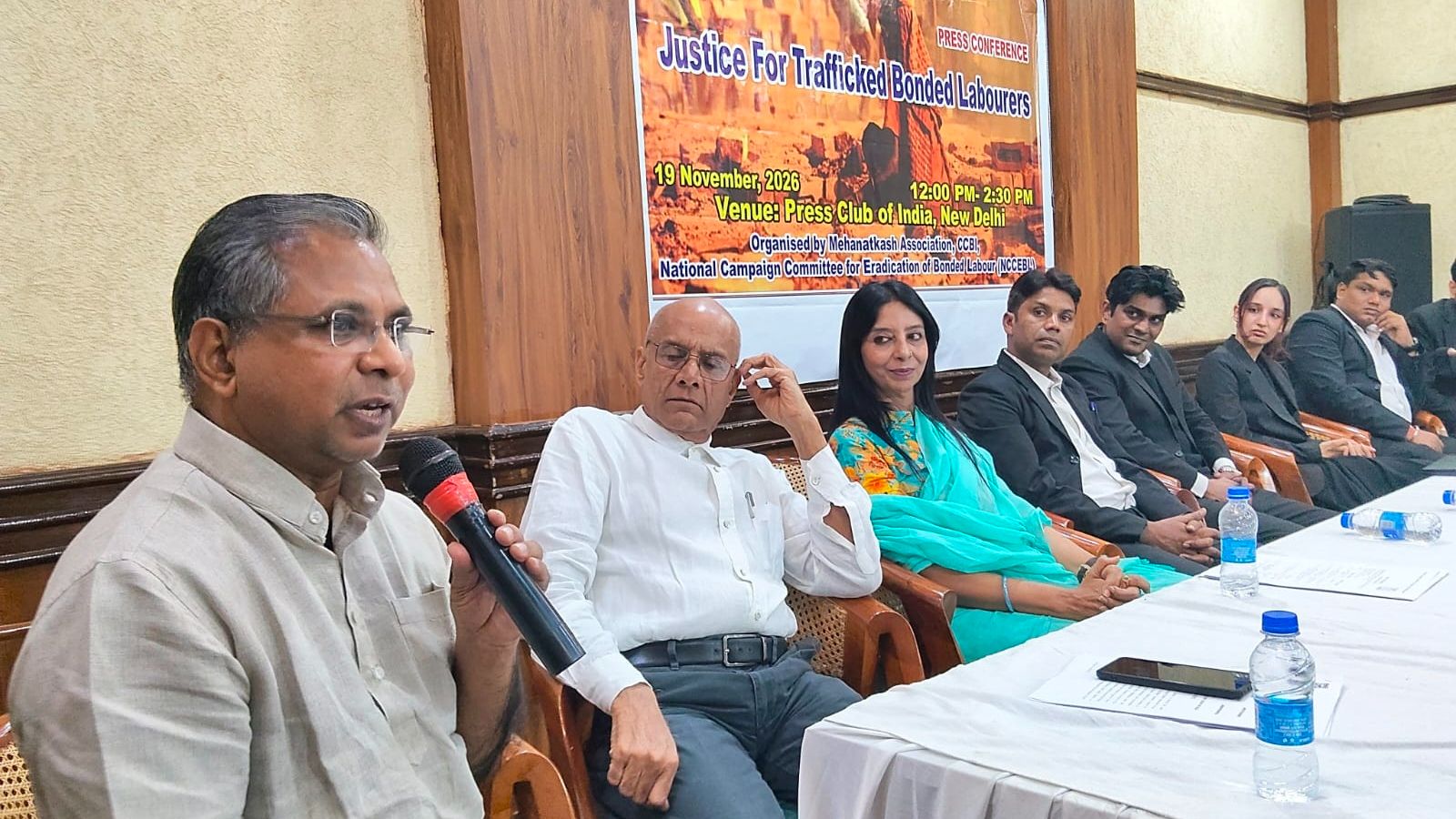
NEW DELHI, November 20, 2026: A nationwide campaign to eradicate bonded labour and strengthen the protection of exploited workers was launched at the Press Club of India in New Delhi on November 19, with activists, lawyers and Church representatives calling for stricter enforcement of existing laws and effective rehabilitation of survivors.


The Forced Labour Free India Campaign was jointly launched by the National Campaign Committee for Eradication of Bonded Labour (NCCEBL), the CCBI Commission for Migrants and the Mehnatkash Association.
The initiative follows a November 2 Supreme Court judgment directing the Central and state governments to strengthen the implementation of the Bonded Labour System (Abolition) Act, 1976.
Senior advocate Colin Gonsalves, the main speaker, criticised what he described as the government's neglect of its welfare responsibilities and expressed concern over the deteriorating conditions of workers and economically vulnerable communities. He congratulated lawyers who had helped secure the release of bonded labourers and urged the legal fraternity to continue its struggle both inside courtrooms and through public mobilisation.
Gonsalves also raised concerns over the growing authority of bureaucrats and alleged intimidation by the police. He appreciated the courage of survivors who came forward to share their experiences of exploitation.
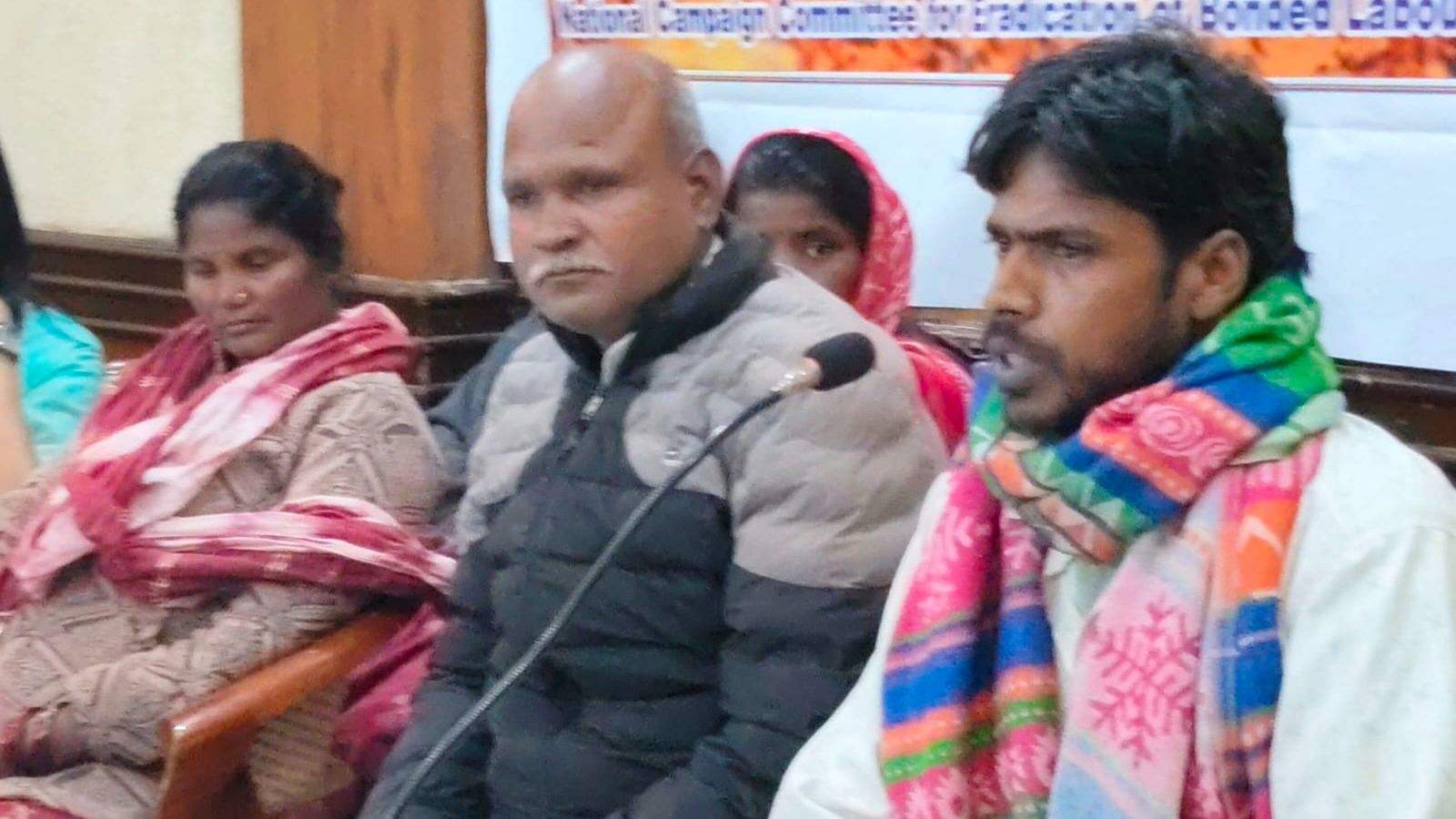
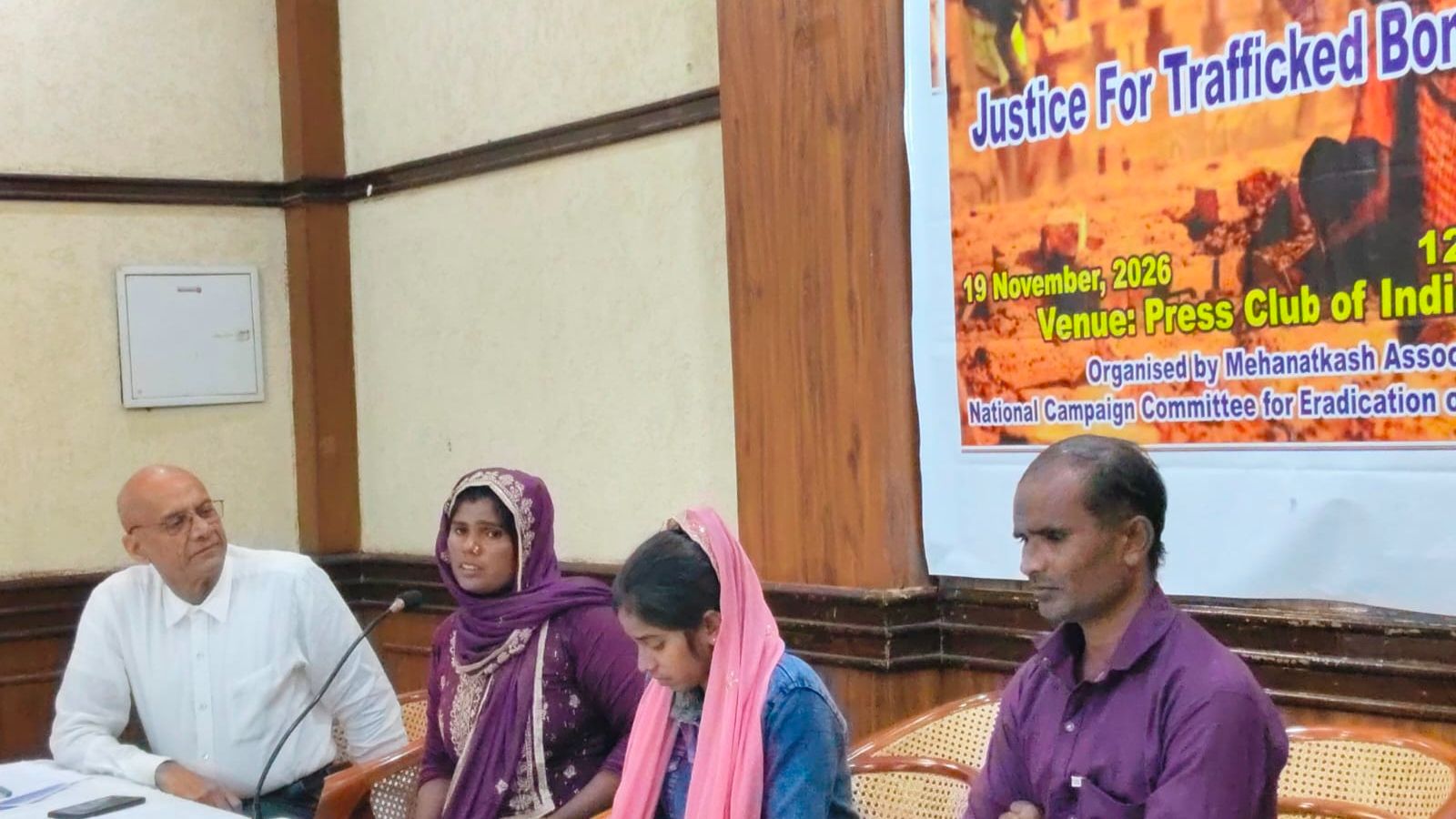
Two survivors recounted harrowing accounts of abuse during the press conference. An 11-year-old girl, identified by the changed name Nainu, said she was taken to a house in Punjab, where she was repeatedly denied food and forced to work. She said she was severely beaten when she asked to meet her brother.
Another survivor, Manushi, said her family of four had been forced into bonded labour for a year in return for Rs. 50,000. The family was allegedly denied adequate food, drinking water and basic facilities and made to work throughout the day and night. They were beaten whenever they refused to work.
Manushi also alleged that a District Magistrate supported the employers even after the family had been rescued by the NCCEBL. She said the authorities failed to ensure action against the employers under the law. A tehsildar reportedly told the family that since they had agreed to work for the amount, they should continue working for the employers.
Nirmal Agni Gorana stressed the need to sensitise and train government officials on the provisions of the Bonded Labour System (Abolition) Act and the rehabilitation measures mandated under it. He also highlighted the Supreme Court's directions concerning the implementation of the legislation.
In its November 2 judgment, the Supreme Court directed the Central Government to submit a status report on the implementation of the Act within four months. State governments and Union Territories were given six months to submit their respective reports.
The Court also called for a revision of the rehabilitation scheme to ensure immediate financial assistance, livelihood opportunities, vocational training and skill development for rescued bonded labourers. Its directions further emphasised the identification and immediate release of victims, coordination between states and the effective functioning of vigilance committees established under the Act.
Fr Jaison Vadassery, Executive Secretary of the CCBI Commission for Migrants, called for greater public awareness of the exploitation and abuse associated with bonded labour. He urged civil society to remain vigilant and stand in solidarity with workers trapped in exploitative conditions.
Filmmaker Maduritha Anand from Mumbai described bonded labour as a curse on society and called for collective efforts to eliminate the practice.
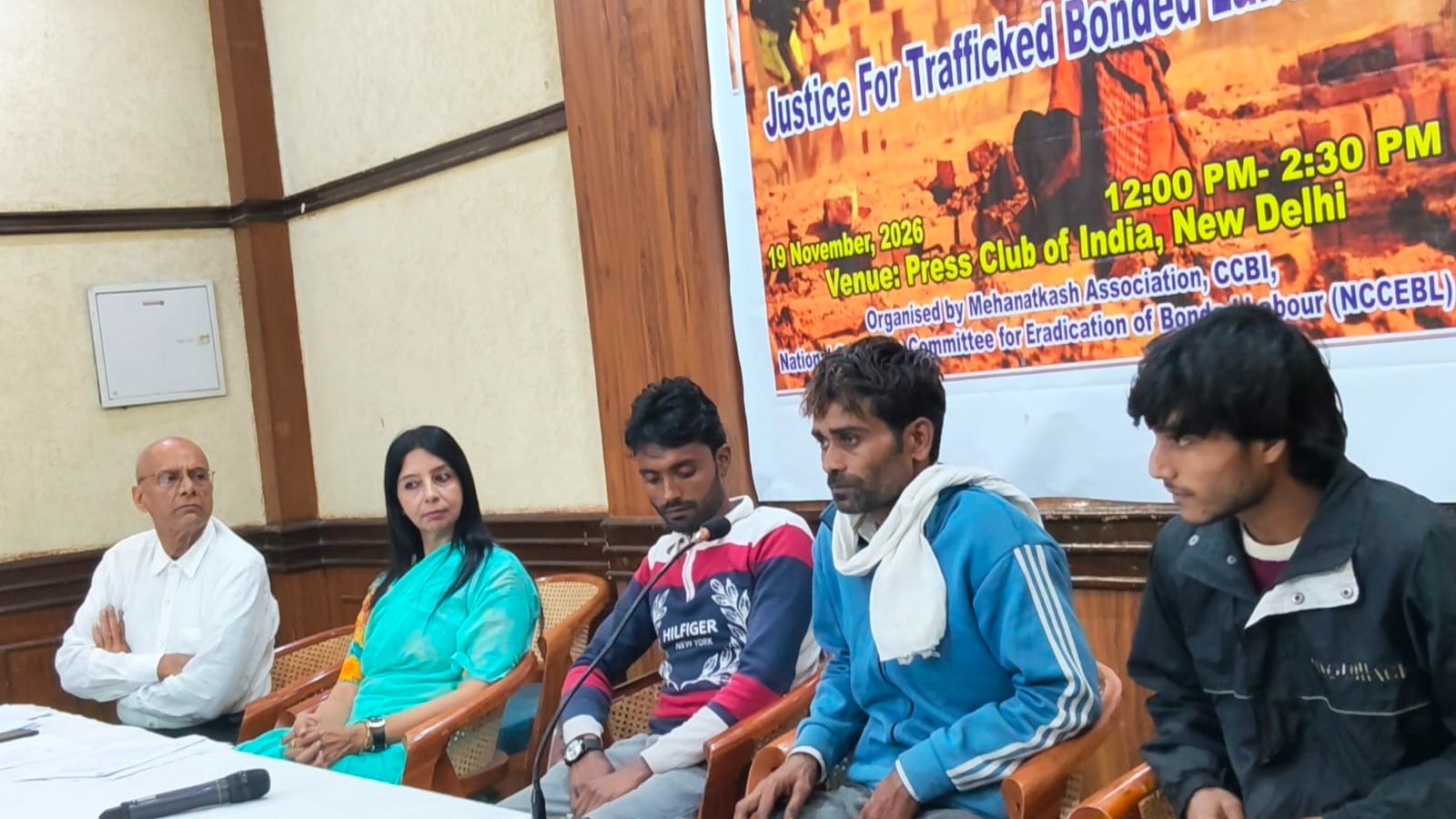
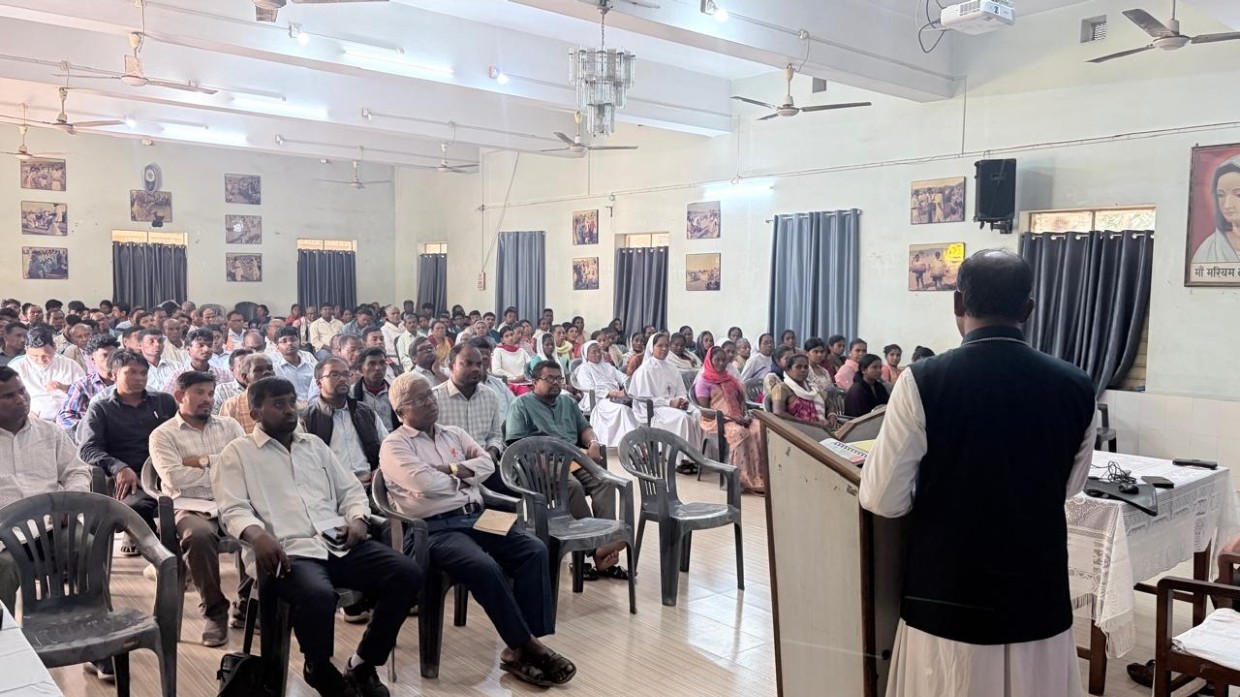
The press conference brought together journalists, Supreme Court advocates, social workers, representatives of the CCBI Commission for Migrants and survivors rescued from different parts of the country, including Andhra Pradesh, Chhattisgarh and Madhya Pradesh.
By Catholic Connect Reporter


© 2026 CATHOLIC CONNECT POWERED BY ATCONLINE LLP