- 06 August, 2026

Mumbai, August 6, 2026: The enactment of Maharashtra’s new anti-conversion law has renewed calls for the Supreme Court to urgently hear petitions challenging the constitutional validity of religious-conversion laws in several Indian states.


The Maharashtra Freedom of Religion Act, 2026, which received presidential assent recently, makes Maharashtra the 13th state in India to enact legislation regulating religious conversions.
While governments supporting such laws maintain that they are intended to prevent conversions through force, fraud, coercion or inducement, Christian organisations and civil rights groups have raised concerns over provisions they fear could be interpreted broadly and used against religious minorities.


In a July 31 statement, the Archdiocese of Bombay said the Catholic Church unequivocally rejects conversions through force, fraud, coercion or inducement. At the same time, it expressed reservations about provisions of the Maharashtra legislation that, in its view, could be susceptible to broad interpretation or misuse.
The Archdiocese questioned the lack of precise definitions for terms including “allurement”, “undue influence” and “misrepresentation”. It also raised concerns over provisions allowing close relatives to initiate complaints concerning an adult’s conversion, police intervention without a complaint from the person allegedly affected, and declaration procedures that could subject interfaith couples to public scrutiny.
The Church further expressed concern over provisions relating to the burden of proof and the classification of offences as non-bailable, arguing that such provisions could place individuals at a disadvantage before allegations are judicially established.
The Maharashtra law has also revived scrutiny of similar legislation already in force in other states. Critics contend that anti-conversion laws have led to arrests and prolonged legal proceedings even in cases that do not ultimately result in conviction. They argue that the process itself can impose significant personal and social costs on those accused.
Supporters of the legislation, however, maintain that such laws are necessary to protect vulnerable persons from unlawful conversion and uphold freedom of conscience.
Supreme Court petitions await hearing
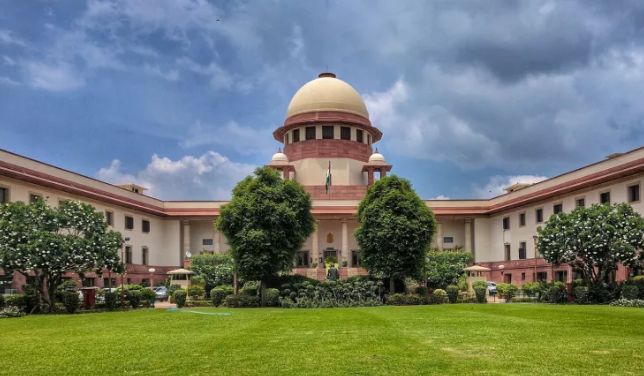
The renewed controversy has also drawn attention to constitutional petitions pending before the Supreme Court challenging anti-conversion laws enacted by various states.
Petitioners, including Citizens for Justice and Peace and the National Council of Churches in India, have sought judicial scrutiny of provisions they contend violate constitutional guarantees concerning religious freedom and individual liberty.
Some of the petitions also seek interim protection against the operation of disputed provisions while the constitutional challenges are pending.
The cases have remained before the Supreme Court for several years, according to those tracking the litigation. The matter is expected to come up again later this month, with petitioners seeking substantive consideration of the constitutional questions surrounding state anti-conversion legislation.
The eventual Supreme Court ruling could have far-reaching implications for the relationship between state regulation of religious conversion and constitutional guarantees of freedom of religion, conscience and personal liberty.
For Christian communities, the central concern is not opposition to laws preventing forced or fraudulent conversion, but ensuring that legislation intended to protect freedom of conscience does not itself become a means of restricting that freedom.
The debate therefore places before the Supreme Court a fundamental constitutional question: how can the State prevent coercive or fraudulent conversion while protecting every citizen’s freedom to choose, change or practise a religion without fear or undue interference?
Courtesy : The Wire



© 2026 CATHOLIC CONNECT POWERED BY ATCONLINE LLP