- 04 August, 2026

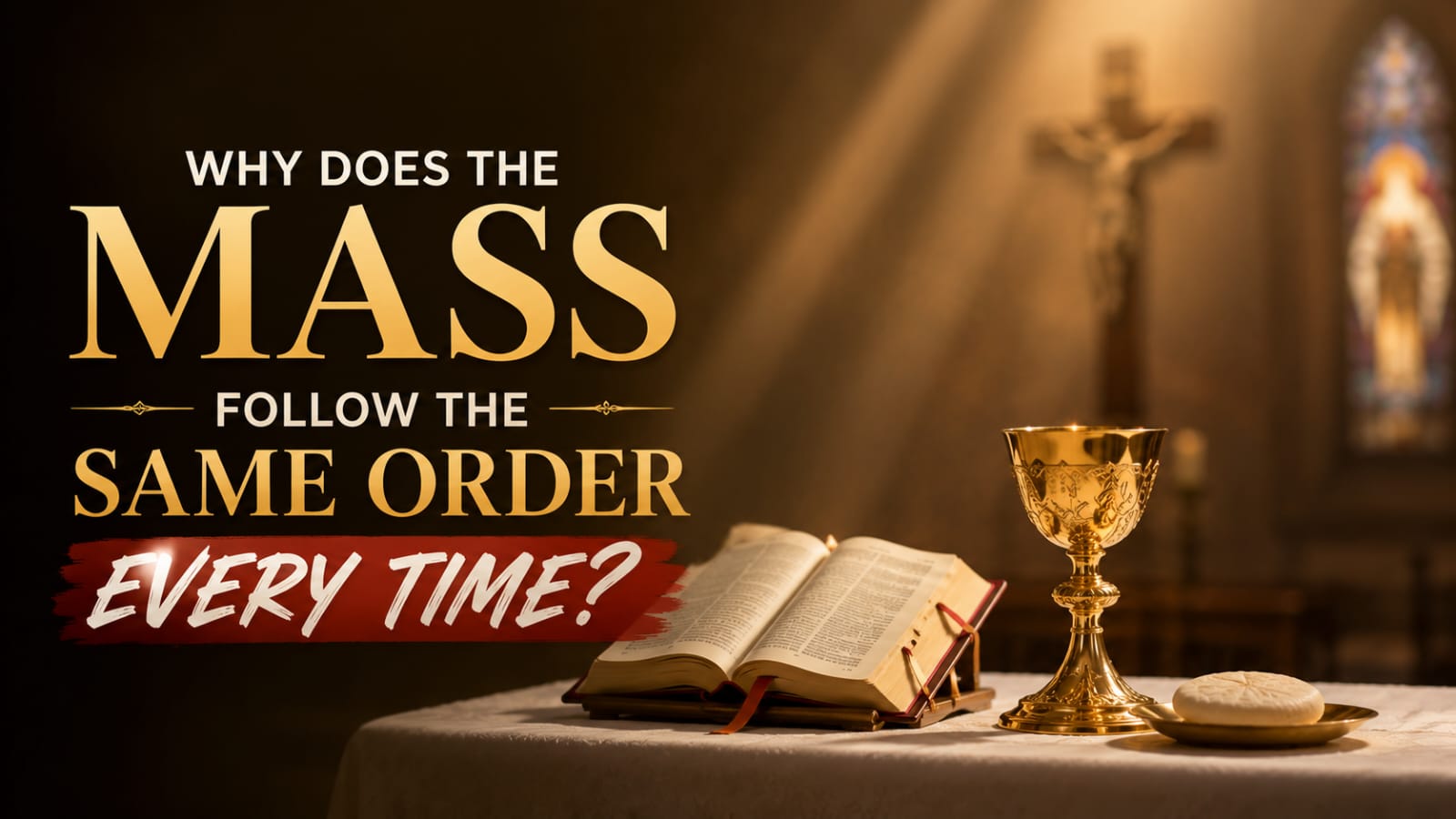
August 4, 4026: Have you ever attended Mass in a different parish, city or even country and noticed that it follows the same familiar pattern? Whether celebrated in Latin, English, Malayalam or Spanish, the structure of the Mass remains remarkably consistent. Coincidence? Not at all. This is because the Mass is the Church's official liturgy—its public worship—not something created by individual priests.


The Church's Public Worship
Why doesn't each priest celebrate Mass differently? Because the Mass is the Church's highest act of worship, in which Catholics participate in Christ's Eucharistic sacrifice. The Second Vatican Council describes the Eucharist as the "source and summit of the Christian life" (Lumen Gentium, 11). Since the Mass belongs to the whole Church, it is celebrated according to the Church's liturgical norms rather than personal preference.
(Click Here to follow Catholic Connect for regular News & Content)

One Act of Worship
Have you ever wondered why the readings always come before the Eucharist? The heart of the Mass is the Liturgy of the Word and the Liturgy of the Eucharist. These are not separate celebrations but, as Sacrosanctum Concilium (56) teaches, they are "so closely connected that they form one single act of worship." This unified structure explains why the Church preserves the same order at every Mass.
Guided by the Roman Missal and the GIRM
So, who decides how the Mass is celebrated? The celebration of Mass in the Roman Rite is governed by the Roman Missal, which contains the official prayers and the General Instruction of the Roman Missal (GIRM). The GIRM provides the norms for celebrating Mass, explaining the roles of ministers, the structure of the liturgy, and the gestures and practices that ensure reverence and unity. Scripture is proclaimed from the Lectionary, whose arrangement throughout the liturgical year helps the faithful encounter the richness and unity of God's Word.
Unity in Diversity
Althopugh the language, music or local customs may differ, have you noticed that the Mass still feels familiar? While approved variations exist for different liturgical seasons, celebrations and cultures, the Church preserves the essential order of the Mass. As Pope Paul VI explained when promulgating the renewed Roman Missal, it serves as an instrument of liturgical unity while allowing legitimate adaptations. This means Catholics around the world may hear different readings or prayers appropriate to the day, yet they participate in the same sacred mystery through one shared structure of worship centred on the Word of God and the Eucharist.This version feels more like a conversation with the reader, using simple questions to guide them through the topic without changing or adding any factual content.
By Catholic Connect Reporter
Discover More About the Holy Mass:
Why Do Catholics Call It the Mass? The Answer Begins with Three Latin Words
How the Mass Developed Over 2,000 Years: A Journey Through History and Worship
Is the Mass Biblical? Discover the Bible in Every Part of the Holy Mass
© 2026 CATHOLIC CONNECT POWERED BY ATCONLINE LLP