- 21 October, 2026
Vatican City, May 13, 2026: The Catholic Church is one of the oldest and most enduring institutions in human history. For over two thousand years, it has preserved its teachings, sacraments, and mission through a carefully organized hierarchy rooted in the ministry of Jesus Christ and the Apostles. This hierarchy is not simply a system of authority or administration; rather, it exists to preserve unity, safeguard doctrine, and guide the faithful in continuing Christ’s mission throughout the world.

The origins of the Catholic Church hierarchy can be traced back to the time of Jesus Christ. Jesus chose twelve Apostles and entrusted them with the mission of preaching the Gospel, administering the sacraments, and leading believers. Among the Apostles, Saint Peter received a unique leadership role when Jesus declared: “You are Peter, and upon this rock I will build my Church” (Matthew 16:18).
Catholics believe this statement established Peter as the visible head of the Church and the first Pope. After the death and resurrection of Christ, the Apostles spread Christianity across the Roman Empire and appointed successors to continue their ministry. Over time, this leadership structure developed into the organized hierarchy of the Catholic Church seen today.
As Christianity expanded, bishops were appointed to oversee local churches, priests assisted them in ministry, and deacons served the needs of the community. This structure helped preserve order, unity, and doctrine during periods of persecution, political change, and rapid growth.
The Catholic hierarchy is deeply rooted in both Sacred Scripture and apostolic tradition. The New Testament reveals the existence of bishops, priests, and deacons in the early Christian communities. Jesus commissioned the Apostles to continue His mission, saying: “As the Father has sent me, even so I send you” (John 20:21).
Historically, the Church became more formally organized after Christianity was legalized in AD 313 through the Edict of Milan. Church councils, especially the Council of Nicaea in AD 325, strengthened doctrinal unity and Church governance. Through apostolic succession, bishops continue the mission and authority handed down from the Apostles to the present day.
(CLICK HERE to follow Catholic Connect and to stay connected with the Church)
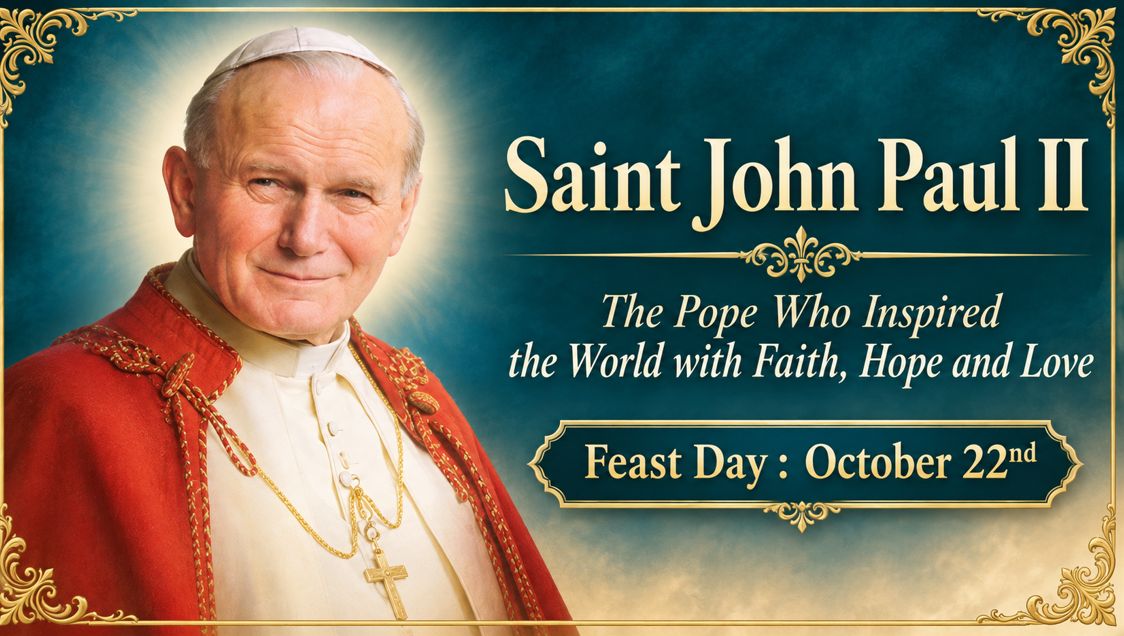
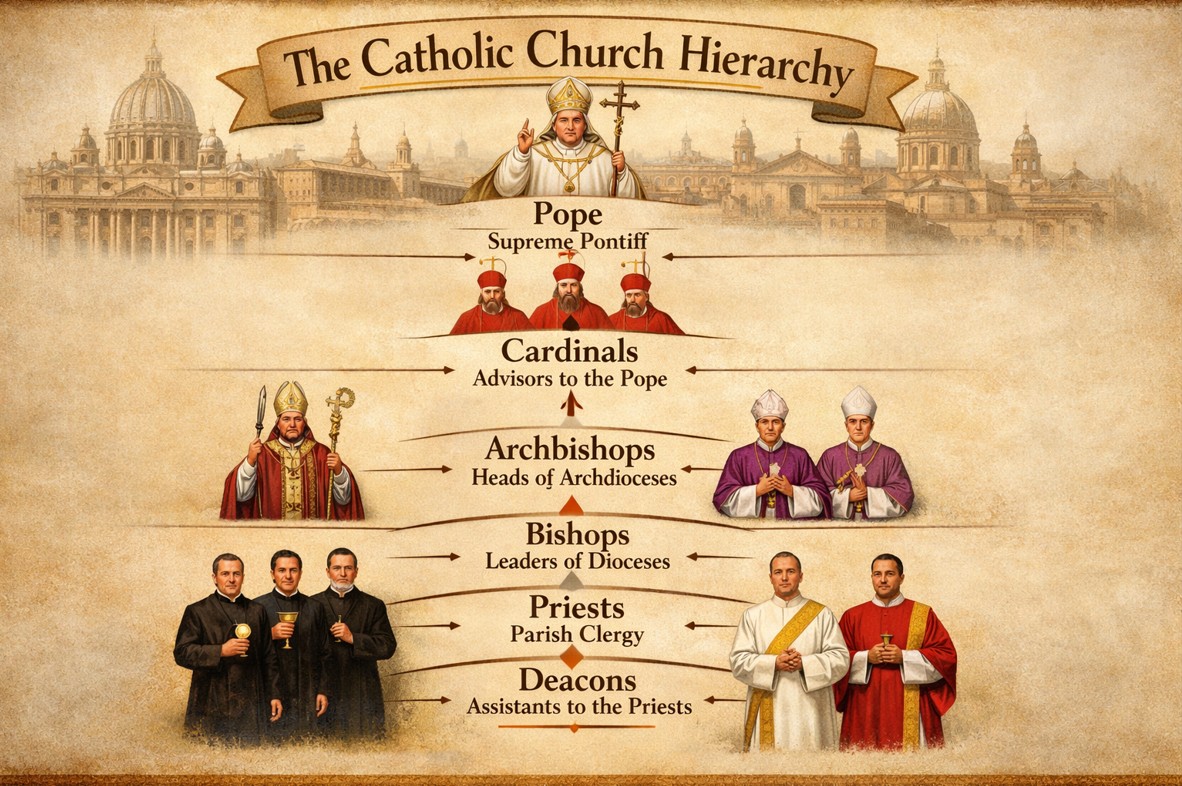
At the highest level of the Catholic Church hierarchy is the Pope, the Bishop of Rome and successor of Saint Peter. The Pope serves as the visible head of the worldwide Catholic Church and the spiritual leader of over one billion Catholics.
His responsibilities include preserving Church unity, safeguarding doctrine, appointing bishops, and guiding the faithful in matters of faith and morals. The Vatican, officially Vatican City State, serves as the spiritual and administrative center of the Church. The Catechism of the Catholic Church explains: “The Lord made St. Peter the visible foundation of his Church” (CCC 881).
The Pope’s authority is primarily spiritual and pastoral, centered on service and leadership rather than political power.
Cardinals are senior Church leaders appointed by the Pope. Most cardinals are bishops or archbishops who either lead major dioceses around the world or serve within Vatican administration.
Their primary duties are to advise the Pope and to elect a new Pope during a conclave. Together they form the College of Cardinals. Their role is essential in helping the Church maintain continuity and leadership during times of transition.
Archbishops and bishops are considered successors of the Apostles. An archbishop oversees an archdiocese, usually an important or historically significant diocese, while bishops govern dioceses, which are the main territorial divisions of the Church.
Their responsibilities include teaching the faith, administering the sacraments, ordaining priests and deacons, and maintaining Church discipline. The Second Vatican Council states: “Bishops have by divine institution taken the place of the apostles as pastors of the Church” (Lumen Gentium, 20).
Every Catholic belongs to a diocese under the pastoral care of a bishop.
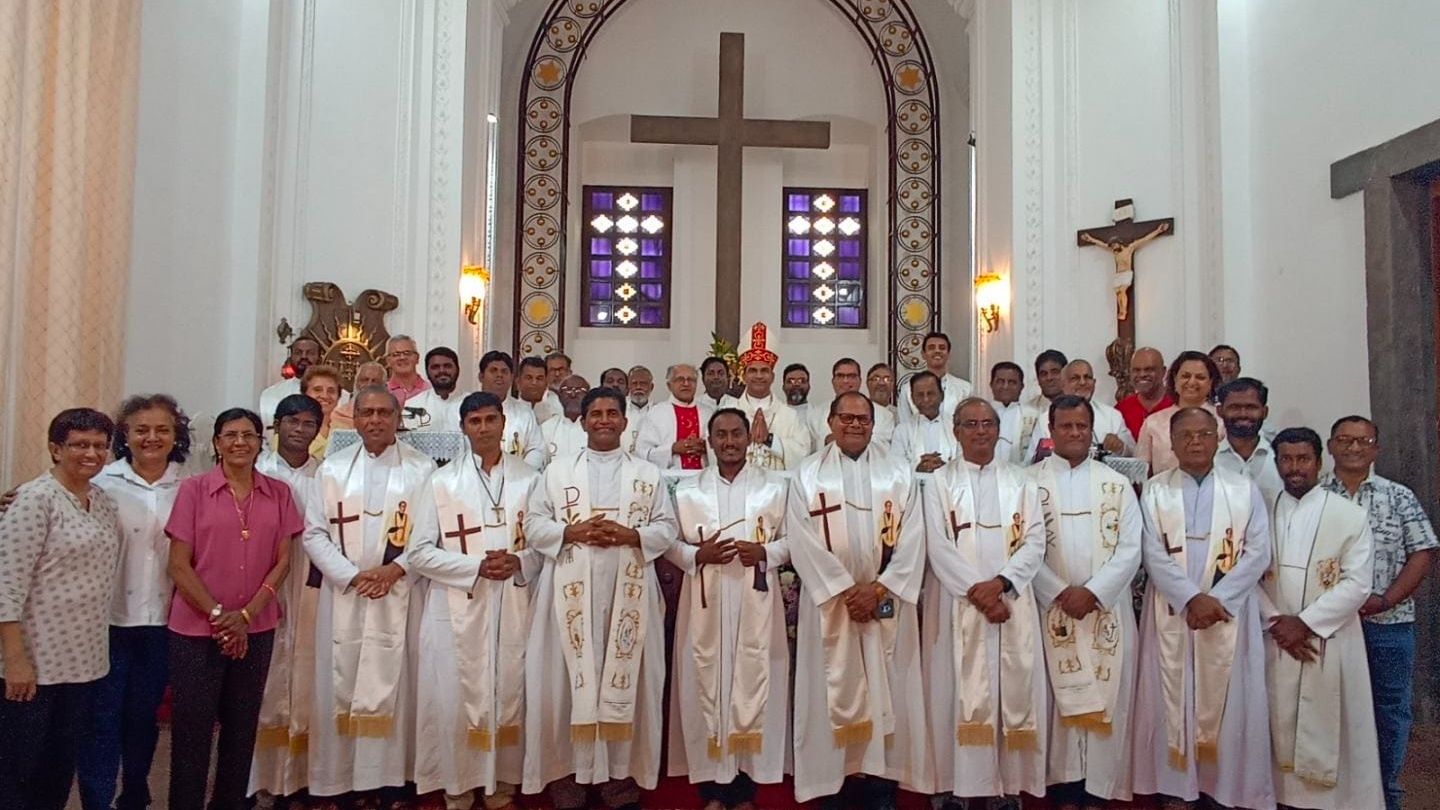
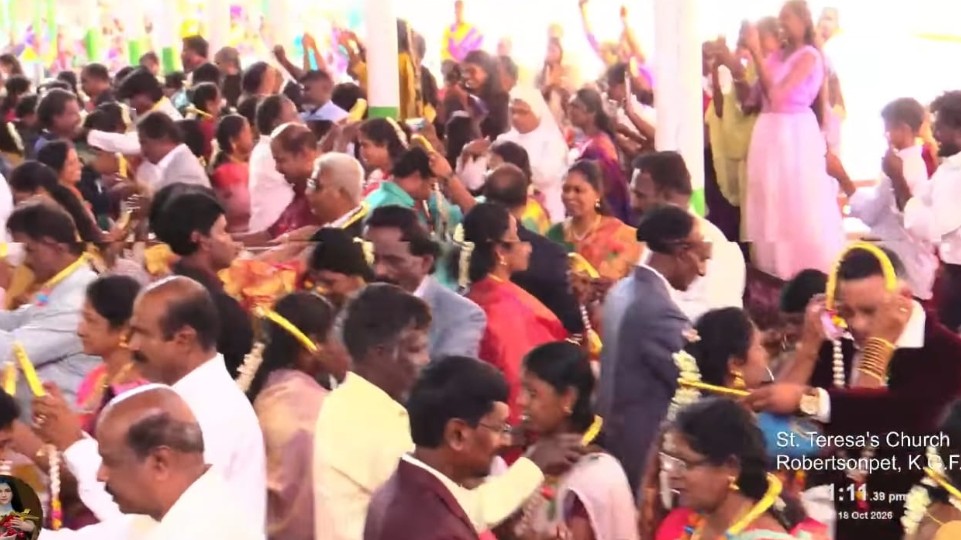
Priests serve as co-workers of bishops and usually minister in local parishes. The parish is where Catholics most commonly experience Church life through Mass, Confession, baptisms, weddings, funerals, and catechism.
Priests are spiritual shepherds who preach the Gospel, celebrate the sacraments, and provide pastoral care to the faithful. They guide parish communities in prayer, worship, and Christian living.
Deacons represent the first level of ordained ministry in the Church. Their ministry focuses on service, charity, and assistance during liturgical celebrations. The role of deacons began in the early Church when the Apostles appointed men to care for the practical needs of the Christian community (Acts 6).
Today, deacons assist at Mass, proclaim the Gospel, preach, baptize, and serve the poor. Some deacons later become priests, while permanent deacons remain dedicated to service within the Church.
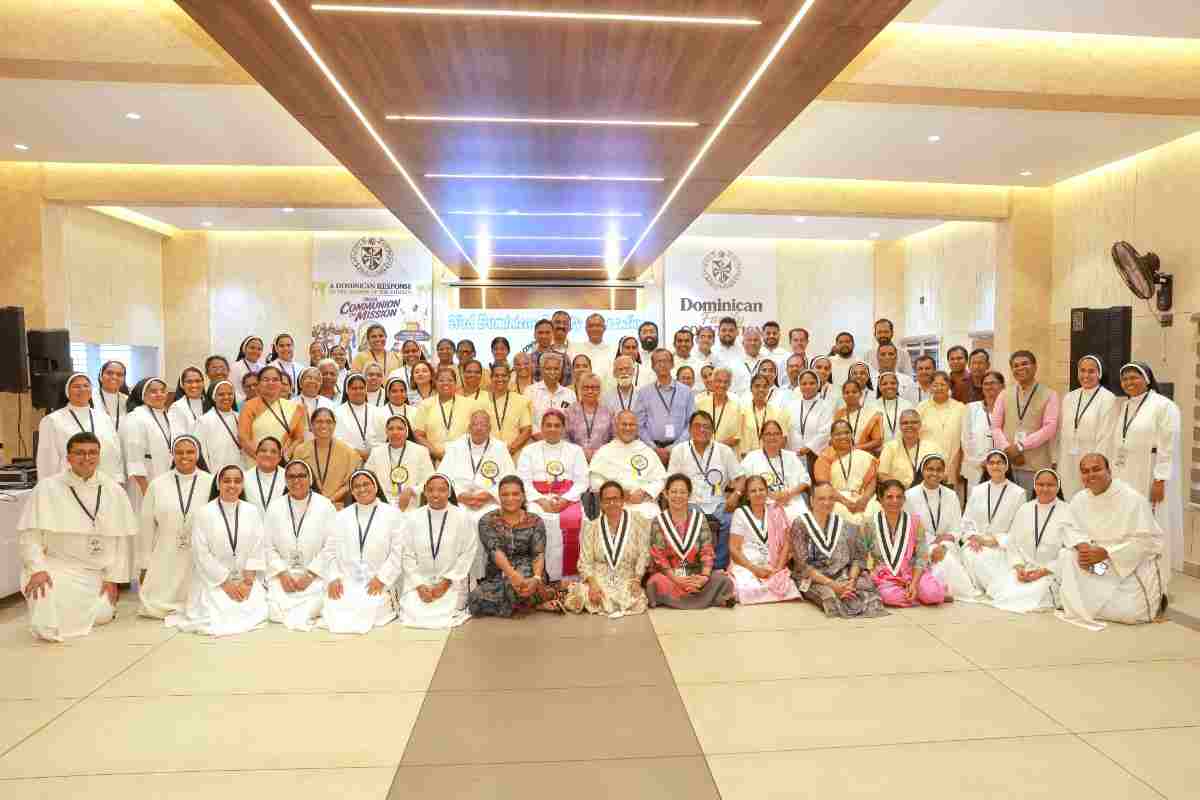
Beyond the ordained hierarchy, the Catholic Church includes religious orders such as the Jesuits, Franciscans, Benedictines, and Dominicans. These communities dedicate themselves to prayer, missionary work, education, healthcare, and service to the poor.
The Church also recognizes other important roles such as pastors, monsignors, and lay faithful who actively participate in evangelization and ministry. Together, clergy, religious communities, and laypeople contribute to the mission of the Church.
The Catholic Church is organized at several levels. The Vatican serves as the universal center of the Church. Archdioceses oversee important regions, dioceses are governed by bishops, and parishes provide local spiritual care under priests.
This structure allows the Church to function globally while remaining deeply connected to local communities.
The hierarchy exists to preserve unity, protect doctrine, administer the sacraments, and continue Christ’s mission. It ensures that Catholics around the world remain united in one faith despite differences in culture, language, and nationality.
Jesus taught: “Whoever would be great among you must be your servant” (Matthew 20:26).
Thus, Church authority is understood primarily as a ministry of service.
The Catholic hierarchy has survived for more than two thousand years because it combines spiritual continuity with organizational stability. Apostolic succession preserves the connection to the Apostles, while clear leadership helps maintain unity and order.
The Church has endured persecution, wars, political changes, and cultural shifts because its structure allows both stability and adaptability. Local parishes care directly for communities, while the Pope and bishops preserve universal unity and doctrine.
This hierarchy has enabled the Church to remain one of the most influential and enduring religious institutions in history.
The hierarchy of the Catholic Church is a carefully developed structure rooted in Scripture, apostolic succession, and centuries of tradition. From the Pope to parish priests and deacons, each role exists to guide believers and continue Christ’s mission in the world.
The Church’s structure is not merely administrative; it exists to preserve unity, proclaim the Gospel, celebrate the sacraments, and care for the faithful. Through this hierarchy, the Catholic Church has remained united across centuries, cultures, and nations, continuing its mission of faith and service throughout the world.
By Catholic Connect Reporter
© 2026 CATHOLIC CONNECT POWERED BY ATCONLINE LLP