- 09 May, 2026
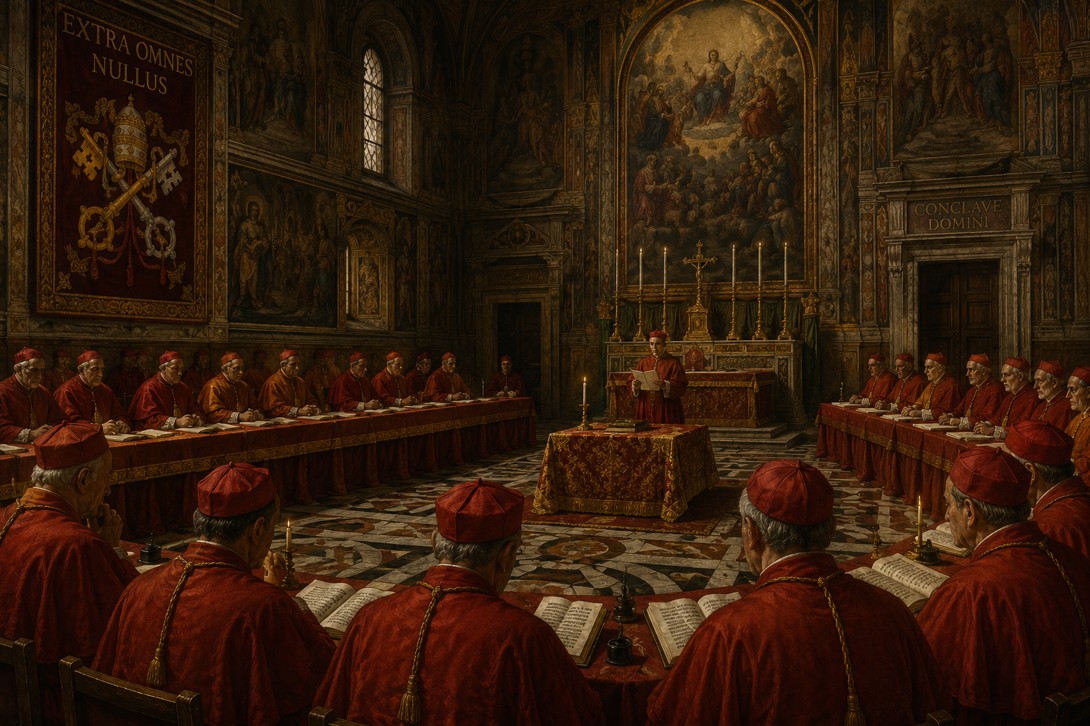
Vatican City, May 9, 2026:From Oscar-winning films to social media “smoke watch” livestreams, the conclave has transformed from a secretive religious procedure into one of the world’s most captivating spectacles.

White Smoke and a Historic Election
One year ago, white smoke curled out of the Sistine Chapel chimney and the bells of St. Peter’s Basilica rang across Rome. Moments later, the Catholic Church introduced its new leader: Pope Leo XIV, formerly Cardinal Robert Francis Prevost, the first American pontiff in history.


What was expected to be a tense and unpredictable papal conclave ended in just two days. Yet, 12 months later, fascination with the Vatican’s ancient election ritual has only grown stronger.
The Medieval Election That Changed the Papacy Forever
But while the 2025 conclave wrapped up quickly, history tells a far complicated story. In fact, the very word “conclave” exists because one papal election spiralled so wildly out of control that frustrated locals literally locked the cardinals inside until they made a decision.
The longest conclave in history began in 1268 after the death of Pope Clement IV. Seventeen cardinals gathered in the Italian town of Viterbo to elect the next pope, but political rivalries, personal loyalties and bitter factional divisions turned the process into chaos.
Months passed without agreement. Then years.
The 1,006-Day Deadlock in Viterbo
The stalemate dragged on for an astonishing 1,006 days.
According to historical accounts, exasperated townspeople eventually took drastic measures. They locked the cardinals inside the palace, reduced their meals and even removed parts of the roof to pressure them into reaching a decision faster.
The strategy worked.
In 1271, Teobaldo Visconti was finally elected Pope Gregory X.
The Birth of the Modern Conclave
The ordeal changed papal elections forever. In 1274, Gregory X introduced strict rules requiring cardinals to be isolated “cum clave” — Latin for “with a key.”
Over centuries, the phrase evolved into the modern word “conclave,” and the secrecy surrounding papal elections became one of the Vatican’s defining traditions.
From Medieval Chaos to Modern Efficiency
A year after Pope Leo XIV’s election, it is striking how dramatically conclaves have changed since those medieval power struggles.
Modern conclaves are astonishingly efficient by comparison.
Pope Francis was elected in just two days in 2013. Pope Benedict XVI’s conclave in 2005 also lasted two days. Even Pope John Paul II, elected in 1978 during one of the most consequential periods in Church history, was chosen after only three days and eight rounds of voting.
The shift reflects more than efficiency. Historians say modern cardinals increasingly see a quick decision as a symbol of unity within the Catholic Church.
The Rapid Election of Pope Leo XIV
That urgency was evident in the 2025 conclave that elected Pope Leo XIV.
After the death of Pope Francis, 133 cardinals from across the globe gathered beneath Michelangelo’s frescoes in the Sistine Chapel. Black smoke emerged after the first vote, signalling deadlock.
But by the evening of the second day, white smoke appeared, confirming consensus had been reached.
For millions watching worldwide, the moment felt cinematic.
Smoke Signals, Social Media and Global Fascination
Crowds packed St. Peter’s Square while millions more tracked every development online. Social media users analysed smoke colour in real time, speculated about frontrunners and reposted clips of the famous balcony reveal.
Interest surged further thanks to the 2024 film Conclave, which introduced a younger global audience to the secrecy and politics of papal elections.
Ironically, despite the digital frenzy outside the Vatican walls, the conclave itself remains almost medieval in its isolation.
Inside the Vatican’s Secretive Ritual
Cardinals surrender their phones, internet access is cut off and strict secrecy rules are enforced throughout the process.
Ballots are burned after every vote. Black smoke means no decision; white smoke signals a new pope has been chosen.
Even meals are carefully monitored — a tradition born from centuries-old fears that hidden messages could be smuggled into the conclave through food.
(CLICK HERE to follow Catholic Connect for regular Catholic Content)
Why the Mystery Endures
The secrecy has helped fuel centuries of conspiracy theories, particularly surrounding the sudden 33-day papacy of John Paul I in 1978.
But historians argue the mystery is precisely why conclaves continue to fascinate modern audiences.
Unlike political elections dominated by polling data, campaign ads and endless commentary, papal conclaves unfold almost entirely behind closed doors.
There are no televised debates, no public speeches and no official candidates.
The world simply waits for smoke.
A Tradition That Still Shapes History
And sometimes, that wait can reshape history.
The 1268 deadlock led to the modern conclave system. The rapid election of Pope Leo XIV in 2025 reflected the increasingly global nature of the Catholic Church, with cardinals arriving from regions historically underrepresented in Vatican politics.
His election also signalled another historic shift: the rise of an American pope at a time when Catholicism is expanding fastest outside Europe.
One year later, the conclave that elected Leo XIV remains more than just a Vatican memory. It has become a reminder that while the Catholic Church may evolve with the times, some traditions remain remarkably unchanged.
Eight centuries after cardinals were locked inside a crumbling palace in Viterbo, the world is still watching chimneys for answers.
Courtesy :
a) Time
b) NY Times
c) CBS 8
d) Today
© 2026 CATHOLIC CONNECT POWERED BY ATCONLINE LLP